
When your transmission starts acting up, you need someone who knows exactly what they're doing. If you're looking for transmission service in Prince George's County, you've got options—but not all shops are equal. The difference between a quick fix and a lasting repair comes down to expertise, honesty, and taking time to diagnose the real problem before you pay a dime.
Transmission issues hit different than brake pads or a dead battery. Your transmission is complicated, expensive to replace, and critical to getting anywhere. That's why the first step is always the same: get a proper diagnosis from a shop that explains what they find and what it costs before touching anything.
What Transmission Service Actually Includes
Transmission service isn't one thing—it's a range of work depending on what's wrong with your vehicle.
Routine transmission maintenance keeps your transmission healthy longer. This typically means checking your transmission fluid, making sure it's the right color and level, and catching small problems before they become expensive ones. Your owner's manual usually spells out when this should happen.
Transmission fluid changes replace old, dirty fluid with fresh fluid. Over time, transmission fluid breaks down from heat and friction. Fresh fluid helps your transmission shift smoothly and protects internal parts from wear.
Transmission repair is what you need when something is actually broken. That could be a leaky seal, a worn clutch, internal damage, or electrical issues that prevent proper shifting. Some repairs are simple; others require pulling the transmission out and rebuilding it.
Related: Certified Auto Repair in Rockville: What to Know
Whether you drive an automatic or manual transmission, Morgatech Auto Repair handles both types. The work is different, the diagnostics are different, and the fixes are different—which is why you want technicians who've trained on both.
Signs Your Transmission Needs Service
Your transmission will usually send you a message before it completely fails. Catching these early saves you thousands of dollars.
- Slipping gears. The engine revs, but the vehicle doesn't accelerate like it should. You might feel a delay before the transmission catches.
- Hard shifts or jerky movements. Downshifting or upshifting feels rough instead of smooth. You feel a clunk or jerk when it changes gears.
- Grinding or shaking. Unusual noise or vibration when the transmission is working, especially in neutral or at a stop.
- Burning smell. A sweet or burnt smell coming from under the hood. That's usually transmission fluid that's overheated or leaking onto hot engine parts.
- Leaks underneath your car. Red or brown fluid pooling where you park. Transmission fluid is bright red when new and darkens as it ages.
- Check engine light or transmission warning light. Modern vehicles flag transmission problems electronically before you feel them.
- Delayed engagement. There's a pause after you shift into Drive or Reverse before the vehicle moves.
If you notice any of these, don't ignore it. Drive carefully to a repair shop and get a diagnosis. The longer you wait, the more damage happens.
What to Expect at a Transmission Service Appointment
Transparency matters. Here's what a professional shop should do:
Listen to your description. Tell the technician what you're experiencing, when it started, and what the vehicle is doing. Every detail helps.
Run diagnostics. Modern transmissions have computer codes that reveal what's wrong. A technician plugs in a scanner, pulls those codes, and knows exactly where to look. For manual transmissions, diagnosis relies more on road tests and fluid checks.
Inspect the transmission and related systems. The technician checks fluid level and condition, looks for leaks, tests sensors and electrical connections, and may road-test the vehicle to feel how it shifts.
Explain what they found. A good shop tells you what's wrong, why it happened, and what the options are. They don't rush you or pressure you into work you don't need.
Give you a price before starting. You should know the cost and what's included before one bolt is turned. No surprises.
Do the work right. Transmission service requires clean conditions, the right parts, and skilled hands. Shortcuts create bigger problems down the road.
When you need transmission service in Prince George's County, Morgatech Auto Repair walks you through every step and backs most repairs with a 24-month / 24,000-mile TechNet nationwide warranty—terms apply.
Automatic vs. Manual Transmission Service
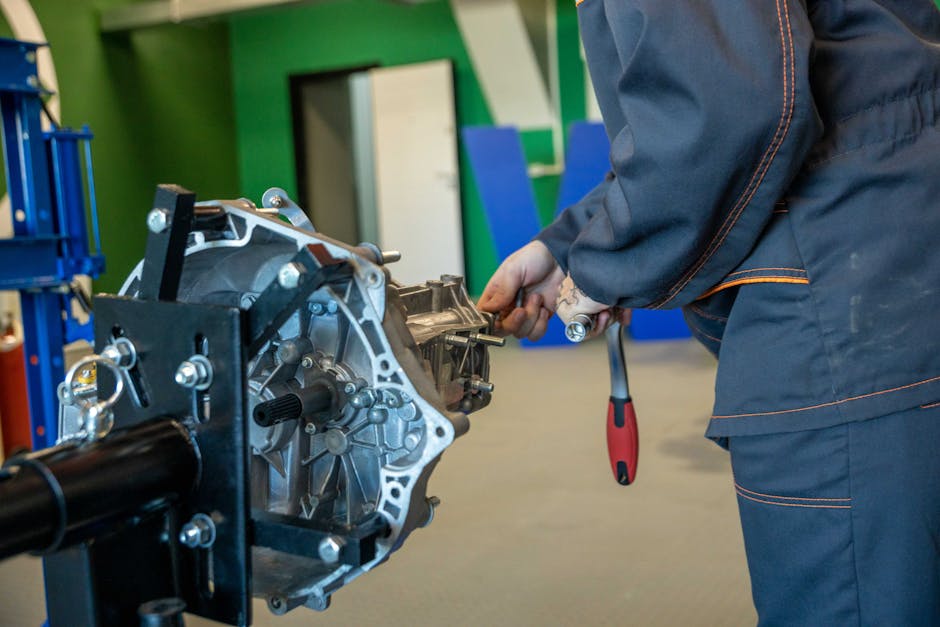
The two types of transmissions need different care.
Automatic transmissions use fluid to power shifting and cool the system. They're complex, with dozens of internal parts that wear over time. Service often means checking and changing fluid, replacing filters, and fixing electrical issues. If you're feeling harsh shifts or slipping, that's an automatic transmission problem.
Related: Automatic Transmission Service in Greenbelt: What You Need to Know
Manual transmissions rely on a clutch and driver input to shift gears. The clutch wears from use and eventually needs replacement. Manual service typically focuses on the clutch, shifter linkage, and the transmission fluid that lubricates gears. If you're having trouble getting into gear or the clutch feels spongy, that's a manual transmission issue.
Both need to be serviced by someone who knows the difference. It's not the same job, and the wrong approach wastes your money.
How to Keep Your Transmission Healthy Between Services
You can extend the life of your transmission with smart habits.
- Check your transmission fluid regularly, especially before long trips. Refer to your owner's manual for the location and how to check it properly.
- Don't ignore warning lights. If your check engine light comes on, get the vehicle scanned. Early action prevents big problems.
- Let the transmission warm up. Don't drive hard immediately after starting the vehicle in cold weather. Give it a minute to circulate warm fluid.
- Don't shift while the vehicle is rolling. Stop completely before shifting from Drive to Reverse or vice versa.
- Avoid towing beyond your vehicle's rated capacity. Excess weight strains the transmission.
- Keep your engine running cool. An overheated engine makes the transmission overheat too, and heat is the enemy of transmission fluid.
When to Get Transmission Service Done
The timing depends on your vehicle, your driving, and what's happening.
Routine maintenance follows your owner's manual schedule. Some vehicles need a transmission fluid check every 30,000 miles; others go longer. Read your manual.
Problem-based service happens when you feel something wrong—slipping, hard shifts, leaks, warning lights. Don't wait on these. The sooner you get it checked, the sooner you know whether it's a simple fix or something bigger.
Age and mileage matter. Older vehicles or those with high mileage benefit from preventive fluid changes, even if nothing feels wrong yet. Old, broken-down fluid can't protect internal parts.
The best approach is to stay on top of routine maintenance and not ignore warning signs. That combination keeps repair costs reasonable and reliability high. If you're unsure whether your transmission needs service, Morgatech Auto Repair can give you a straight answer after a quick inspection. Call or stop by to schedule a visit—we're open Monday through Friday, 9 am to 6 pm.
Why Local Service Matters for Transmission Work

Transmission repair is serious work. You want a shop nearby that knows your vehicle, remembers your history, and will be there if you need follow-up work or warranty service.
A family-run shop in your community has skin in the game. We depend on your trust and your return, so we do the job right the first time. You're not a ticket number; you're a neighbor we see again.
Morgatech Auto Repair has served drivers in Beltsville, College Park, Laurel, Greenbelt, and across Prince George's County for over 7 years. We explain what we find and what it costs before we start, and we back most repairs with a 24-month / 24,000-mile TechNet nationwide warranty—terms apply. We're located in Beltsville.
How do I know if my transmission fluid needs changing?
Your owner's manual gives the recommended schedule for your specific vehicle. If you want to check it yourself, pull the dipstick (if your car has one) and look at the color and smell. New transmission fluid is bright red and odorless. If it's dark brown or smells burnt, it's time for a change. Leaks also mean you need service to find and fix the leak, then top off the fluid.
Can I drive with transmission problems?
It depends on the problem. Minor issues like a slow shift might not stop you from driving short distances carefully. Major issues like slipping gears, hard shifts, or leaks get worse fast. Keep driving and you risk total transmission failure, which strands you and costs way more to fix. Get it checked soon.
Is transmission repair expensive?
Cost depends entirely on what's wrong. A fluid change is routine maintenance. A leaking seal might be a few hours of labor. A full rebuild is more involved. The only way to know is to get a diagnosis and a quote. That's why it matters to find a shop that checks first and charges only for what you actually need.
How long does transmission service take?
Fluid changes and inspections can take an hour or two. More complex repairs take longer depending on what needs fixing. Your technician will give you a realistic timeframe after the diagnosis.