
Brakes squeaking when stopping can be annoying, but it's also your car's way of telling you something needs attention. The good news: it's usually fixable, and most of the time it's not an emergency. Let's walk through what causes the noise and when you should have it checked out.
What Causes Brakes to Squeak When Stopping
That high-pitched squeal happens because of vibrations between your brake pads and rotors. Think of it like rubbing two pieces of metal together really fast. The pads press against the rotors to slow your wheels, and sometimes that contact creates noise.
Related: Steering Wheel Shaking at High Speeds: Causes & Fixes
Related: Delayed Shifting Automatic Transmission: Causes & Fixes
Related: Why Is My Car AC Blowing Warm Air? Common Causes & Fixes
Related: Why Your Car Battery Keeps Dying: Causes & Fixes
The most common culprit is worn brake pads. When pads get thin, they're more likely to vibrate and squeak, especially during slow or gentle stops. It's like they're crying out for replacement before they wear down completely.
Worn rotors are another major cause. If the rotor surface is damaged or too thin, it can't grip the pads smoothly. This rough contact often produces that squeaking sound you hear.
Loose or damaged brake hardware can also be the problem. Your brake system has clips, shims, and shields that hold everything in place. If any of these come loose or bend, they can rattle or squeak against other parts.
Contamination is another sneaky cause. Dirt, sand, or moisture on the brake surface can create squeaking. This is especially common if you've been driving in wet conditions or on dusty roads.
When Does the Squeaking Happen
Pay attention to when you hear the noise. Does it happen on every stop, or just sometimes? The timing tells you a lot.
Squeaking often happens during slow, gentle stops when the pads don't press super hard against the rotors. It's less common during hard braking because the pads make firmer contact.
Wet weather can make it worse. Rain or snow can leave moisture on the brake surfaces, triggering squeaks. Some drivers notice it goes away once the brakes warm up and dry out.
You might also hear it at the very end of stopping, or when backing up slowly. These are low-pressure situations where the pad-to-rotor contact is lighter and more prone to vibration.
When to Get Your Brakes Inspected
If the squeaking is just occasional and your brakes still feel and stop normally, you can usually schedule an inspection at your convenience. But don't ignore it forever. Morgatech Auto Repair recommends having your brake pads and rotors checked if the noise sticks around for more than a week or two.
Get it looked at sooner if the squeaking gets worse, happens on every stop, or if you notice any other brake problems like soft pedal feel, pulling to one side, or a grinding sound. These signs mean your brakes need professional attention right away.
Never assume squeaking means your brakes are failing. Most of the time it's just a sign that parts are wearing and need replacement before they become a real safety issue. But the only way to know for sure is to have a technician inspect the system.
What a Brake Inspection Involves
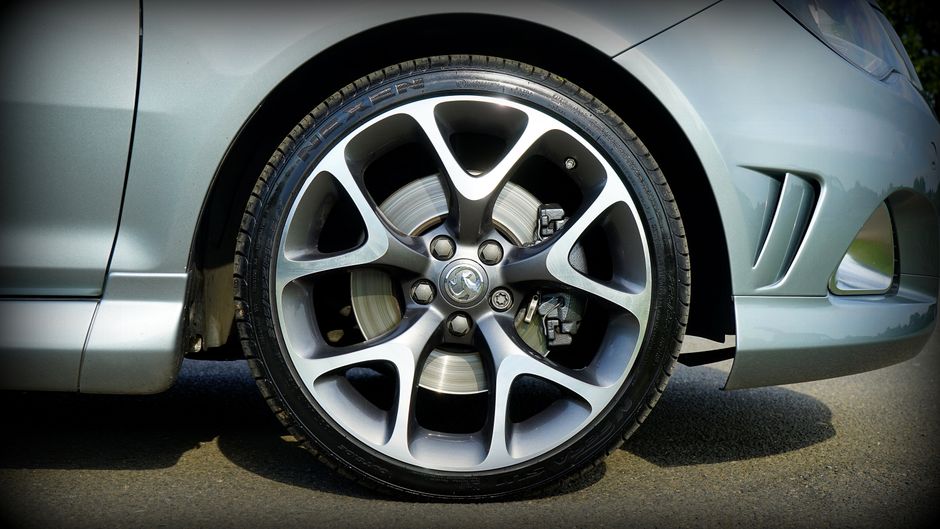
When you bring your car in, here's what a proper inspection looks like.
The technician will remove your wheels and take a close look at the brake pads. Are they thick enough, or are they getting thin? Thin pads are a squeaking waiting to happen.
They'll also check the rotors. The rotor surface should be smooth and within the minimum thickness spec for your vehicle. If the surface is scored or damaged, or if the rotor is too thin, it needs to be replaced.
The brake hardware gets inspected too. Clips, shims, and dust shields should all be secure and undamaged. Any bent or loose parts can cause noise.
The technician will also look for contamination. Dust, dirt, or moisture on the brake surfaces can trigger squeaking, and cleaning or replacing parts might be the fix.
Finally, they'll check the brake fluid to make sure it's clean and at the right level. Proper lubrication and clean fluid keep the whole system working quietly.
What Fixes Usually Work
The fix depends on what's causing the squeak. Most often, it's one or more of these:
- Replacing worn brake pads
- Resurfacing or replacing worn rotors
- Tightening or replacing loose brake hardware
- Cleaning contaminated brake surfaces
- Adjusting or replacing bent dust shields
- Adding proper lubrication to brake components
The good news is that Morgatech Auto Repair explains exactly what they find and what the repair costs before any work starts. You'll know what's wrong, why it's happening, and what it takes to fix it. No surprises.
Can You Drive on Squeaking Brakes
Short answer: yes, usually. Squeaking alone is not a sign that your brakes will fail.
But squeaking is a warning sign that something is wearing. Drive carefully and don't delay getting it checked. The sooner you address the problem, the less damage accumulates and the cheaper the repair typically is.
If the squeaking is new and sudden, or if it's accompanied by other brake problems (soft pedal, pulling, grinding, or reduced stopping power), don't wait. Get it inspected right away.
How to Prevent Brake Squeaking

You can't always prevent it, but you can slow it down.
Keep your brakes in good shape with regular maintenance. Dirty brake fluid and worn pads make squeaking more likely. Staying on top of brake inspections means you catch wear early.
Avoid driving in ways that stress the brakes unnecessarily. Constant hard braking in traffic wears pads and rotors faster. Smooth, gradual braking is kinder to the system.
Watch your driving environment. If you spend a lot of time on dusty roads or in wet conditions, your brakes will accumulate more contamination. Be extra vigilant about inspections.
Don't ignore early warning signs. If you start hearing a squeak, get it checked soon. It's a much easier fix than waiting until the pads are completely worn down.
When to Schedule a Professional Brake Inspection
If your brakes are squeaking, now is the time to schedule a visit. The longer you wait, the more damage can happen, and the more expensive repairs become.
Bring your car to Morgatech Auto Repair in Beltsville. A certified technician will inspect your brake pads, rotors, hardware, and fluid. You'll get a clear explanation of what needs to be fixed and what it will cost, all before any work starts.
Most brake repairs are backed by a 24-month / 24,000-mile TechNet nationwide warranty (terms apply), which gives you peace of mind that the job is done right.
Morgatech Auto Repair serves drivers in Beltsville, College Park, Laurel, Greenbelt, and throughout Prince George's County. We're open Monday to Friday, 9 am to 6 pm. Call or stop by to schedule your brake inspection today.
People Also Ask
Why do my brakes squeak only when it's cold or wet?
Cold temperatures and moisture change how the brake pads and rotors interact. Moisture can create a thin film on the rotor surface, which increases vibration and squeaking. Once the brakes warm up, the squeaking often stops. This is usually not a sign of danger, but if it happens every time you drive in wet weather, have your brakes inspected to rule out contamination or damage.
Is brake squeaking a safety issue?
Squeaking alone doesn't mean your brakes will fail. It's a noise caused by vibration, not a loss of stopping power. However, squeaking is a sign that your brake pads or rotors are wearing, so don't ignore it. Have it checked out so you can replace parts before they become a real problem.
Can I fix squeaking brakes myself?
Brake work is tricky and requires special tools and expertise. A small mistake can affect your stopping power and safety. It's always best to have a certified technician handle it. They'll diagnose the real problem and make sure everything is installed correctly.
How much does it cost to fix squeaking brakes?
The cost depends on what's causing the squeak and what needs to be replaced or repaired. Brake pad replacement is usually less expensive than rotor replacement. The best way to find out what your repair will cost is to bring your car in for an inspection. Morgatech Auto Repair will explain what they find and give you a quote before any work starts.