

Most car batteries last between 3 and 5 years, but the exact timing depends on your climate, driving habits, and how often you use your vehicle. Knowing when to replace your car battery before it dies on the side of the road is way smarter than waiting for a complete failure.
The Basic Timeline for Car Battery Replacement
If your battery is under 3 years old, you probably don't need to think about replacing it yet. But once it hits the 3-year mark, start paying attention. By the time your battery reaches 5 years old, you should seriously consider replacing it even if it still seems to be working fine.
Hot climates speed things up. If you live somewhere with intense summer heat, expect your battery to wear out closer to the 3-year mark instead of 5. Cold winters also stress batteries, though not as much as extreme heat does.
The bottom line: Don't wait for your battery to fail completely. Morgatech Auto Repair recommends having your battery tested once it reaches 3 years old so you know exactly where it stands.
Warning Signs Your Battery Needs Replacement
Sometimes your battery will give you clues before it completely quits. If you notice any of these symptoms, have it checked out right away.
Related: Signs of Bad Shocks and Struts: What to Watch For
- Slow engine crank: Your engine turns over slowly when you turn the key, like it's fighting to start.
- Dim headlights: Your headlights look noticeably weaker than they used to, especially when the engine is off.
- Clicking sound: You hear rapid clicking when you try to start the car, but the engine doesn't turn over.
- Difficulty starting in cold weather: The car starts fine on warm days but struggles when it's freezing outside.
- Battery warning light: The battery icon lights up on your dashboard while you're driving.
Any of these signs mean your battery is getting weak and should be replaced soon. Don't ignore them, especially if you're already at the 3-5 year mark.
When to Get Your Battery Tested
You don't need to guess whether your battery is still good. A simple test tells you exactly how much life is left and whether replacement is urgent.
Visit a shop if your battery is between 3 and 5 years old, especially if you've noticed any of the warning signs above. A technician will run a load test to see how well your battery holds a charge and how it performs under the stress of starting your engine.
If the test shows your battery is failing or close to failing, replace it before you get stranded. If it still has plenty of life left, you can wait a bit longer. Either way, knowing the actual condition beats guessing.
Factors That Shorten Battery Life
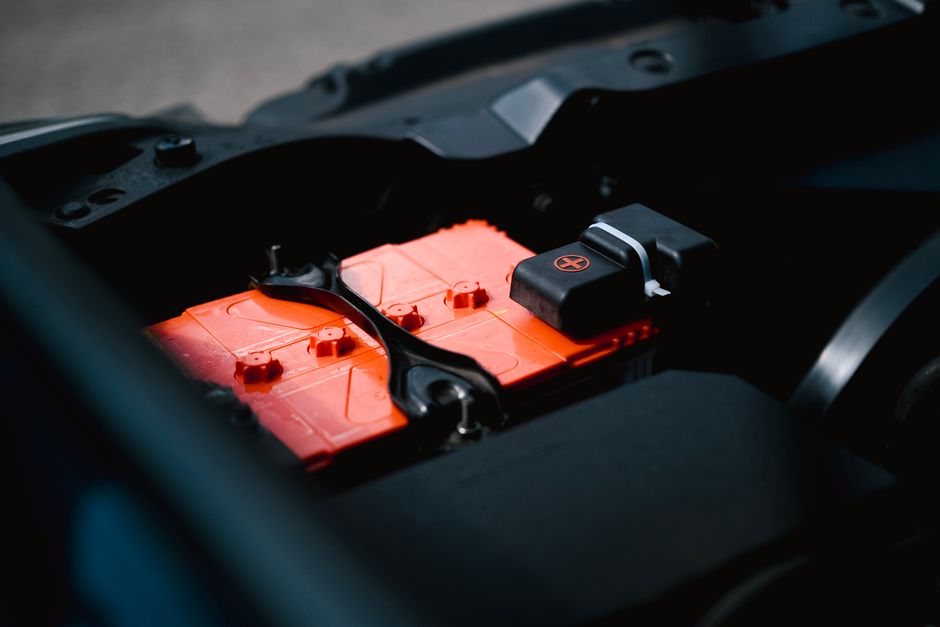
Not all batteries age at the same rate. Several things can make yours wear out faster.
- Heat: Hot climates are the biggest battery killer. High temperatures speed up chemical reactions inside the battery and cause it to degrade faster.
- Frequent short trips: If you mainly drive short distances, your alternator doesn't get enough time to fully recharge the battery.
- Leaving lights or devices on: Draining the battery repeatedly (even if you recharge it) wears it out faster over time.
- Corroded battery terminals: Corrosion buildup reduces the connection between your battery and the rest of your car, making it work harder.
- Old age: Even in perfect conditions, all batteries eventually lose their ability to hold a charge.
If you live in a hot area or drive mostly in the city with frequent short trips, your battery might need replacing closer to 3 years than 5.
What Happens If You Wait Too Long
Putting off battery replacement isn't worth the risk. A weak battery can leave you stranded at the worst possible time—early morning before work, late at night in an unsafe area, or during a road trip.
A dead battery also puts stress on your alternator and starter, which might cause those components to fail too. Replacing your battery before it completely dies saves you from extra damage and bigger repair bills down the road.
If you're not sure whether your battery needs to come out, don't hesitate to schedule a battery test and inspection at Morgatech Auto Repair. Our certified technicians will tell you exactly what you need and what it costs before any work starts.
How to Know If It's Really the Battery
Sometimes a weak battery isn't the only problem. A slow crank or dim lights could also be caused by a faulty alternator, bad starter, or corroded wiring.
That's why a professional test is so valuable. A technician can check your charging system, test your battery under load, and inspect your connections all in one visit. You'll know for sure whether the battery is the culprit or if something else needs attention.
A battery test and inspection takes just a few minutes, and it saves you from replacing a good battery or missing a bigger electrical problem.
Battery Replacement Costs and Warranty

Battery replacement isn't typically the most expensive repair, but pricing depends on your vehicle type and the battery quality. Call ahead for a quote or stop by to discuss your specific situation.
When your battery is replaced at a quality shop, it should come with a warranty. Most repairs at Morgatech Auto Repair are backed by a 24-month, 24,000-mile TechNet nationwide warranty, terms apply. That gives you peace of mind if anything goes wrong.
Simple Steps to Extend Battery Life
You can't stop your battery from aging, but you can slow it down a bit.
- Keep connections clean: Check your battery terminals for corrosion buildup. Clean, tight connections help your battery work efficiently.
- Take longer drives: When possible, drive longer routes that give your alternator time to fully recharge your battery.
- Minimize parasitic drain: Don't leave headlights, interior lights, or other accessories on when the engine is off.
- Park in the shade: If you're in a hot climate, shade helps keep your battery cooler and extends its life.
- Get regular inspections: A technician can spot early signs of battery wear or charging system problems during routine maintenance.
These habits won't prevent battery replacement, but they'll help you get the most life out of your current battery.
What to Do Right Now
Check the age of your battery. If it's 3 years old or older, or if you've noticed slow starting or dim lights, don't wait. Schedule a battery test and inspection so you know exactly what you're dealing with.
If you're in Beltsville, College Park, Laurel, Greenbelt, or anywhere in Prince George's County, stop by Morgatech Auto Repair in Beltsville. We're open Monday through Friday, 9 am to 6 pm. Our certified technicians will test your battery, explain what they find, and give you a cost before any work starts.
How long does a car battery last?
Most car batteries last 3 to 5 years. Hot climates can shorten this to 3 years or less, while cooler areas might stretch it to 5 or 6 years. Once your battery hits 5 years old, replacement is a smart move even if it still works.
Can a battery last 7 or 8 years?
It's possible but rare. A battery might make it to 7 or 8 years in ideal conditions—cool climate, minimal extreme driving, good maintenance—but it's not the norm. By that age, the risk of failure is high. If your battery is that old, replace it proactively rather than waiting for it to die.
What does a clicking sound mean?
A rapid clicking noise when you turn the key usually means your battery is too weak to turn the engine over. The starter motor is trying to engage but doesn't have enough power. This is a sign your battery needs replacement very soon, possibly immediately if you can't start the car.
Is it safe to drive with a weak battery?
It's risky. A weak battery might not have enough power to start the car when you need it most, leaving you stranded. It can also cause your alternator to work harder and potentially fail. Replace your battery as soon as you notice signs of weakness rather than gambling on when it might die.