

When your car's AC compressor isn't engaging, your air conditioning system shuts down. That means no cool air, and a hot, uncomfortable drive. The good news is that a non-engaging compressor usually comes down to a few specific problems that are worth understanding before you head to the shop.
Why Your AC Compressor Won't Engage
Your AC compressor has a clutch that engages and disengages based on demand and system pressure. When you turn on the AC, the clutch should engage and spin the compressor. If that clutch stays disengaged, the whole system stops working.
The compressor not engaging is almost always caused by one of these issues:
- Low refrigerant (freon) in the system
- A faulty low-pressure safety switch
- Electrical problems (blown fuse, bad wiring, or clutch coil failure)
- Damaged compressor clutch
Low refrigerant is the most common culprit. Your AC system has a low-pressure safety switch that prevents the compressor from running when refrigerant levels drop too far. This switch protects the compressor from damage. When refrigerant is low, the switch trips and blocks engagement automatically.
How to Diagnose a Non-Engaging Compressor
Diagnosing this problem correctly matters because the fix depends on what's actually wrong. Here's how technicians approach it:
Related: Car Won't Start But Lights Come On: What's Wrong
Related: Suspension Clunking Noise Diagnosis: What's Wrong
Step 1: Check System Pressure
A technician measures refrigerant pressure with a gauge set. High pressure side, low pressure side. If pressure is too low, that's your answer. If pressure is normal but the compressor still won't engage, the problem lies elsewhere (usually the pressure switch or electrical system).
Step 2: Inspect the Electrical System
Check the AC fuse first. A blown fuse stops power to the compressor clutch immediately. If the fuse is good, the technician will test voltage at the clutch coil. No voltage means a wiring problem or bad control circuit. If voltage is there but the clutch still won't engage, the clutch coil itself may be damaged.
Step 3: Test the Pressure Switch
If refrigerant pressure is normal and power is reaching the clutch, the low-pressure switch may be faulty. A bad switch can prevent engagement even when the system is healthy.
This is why trying to guess the problem yourself rarely works. Each cause requires different testing equipment and expertise. Morgatech Auto Repair has the diagnostic tools to pinpoint exactly what's stopping your compressor from engaging.
What Low Refrigerant Looks Like
Low refrigerant is usually a leak. You won't see freon pooling under your car (it's a gas), but you will notice:
- Warm air blowing from the AC vents even when the system is on
- The AC compressor clutch never spinning
- The system worked fine until recently
If your refrigerant is low, the system has a leak somewhere. That leak needs to be found and sealed before refrigerant can be added back. A technician will pressurize the system, look for the leak visually, and sometimes use a leak detector to find it. Common leak locations include hose connections, the condenser, the evaporator, and seals around the compressor shaft.
Once the leak is fixed, the system is recharged with fresh refrigerant and pressure is verified.
Electrical Issues That Stop Engagement
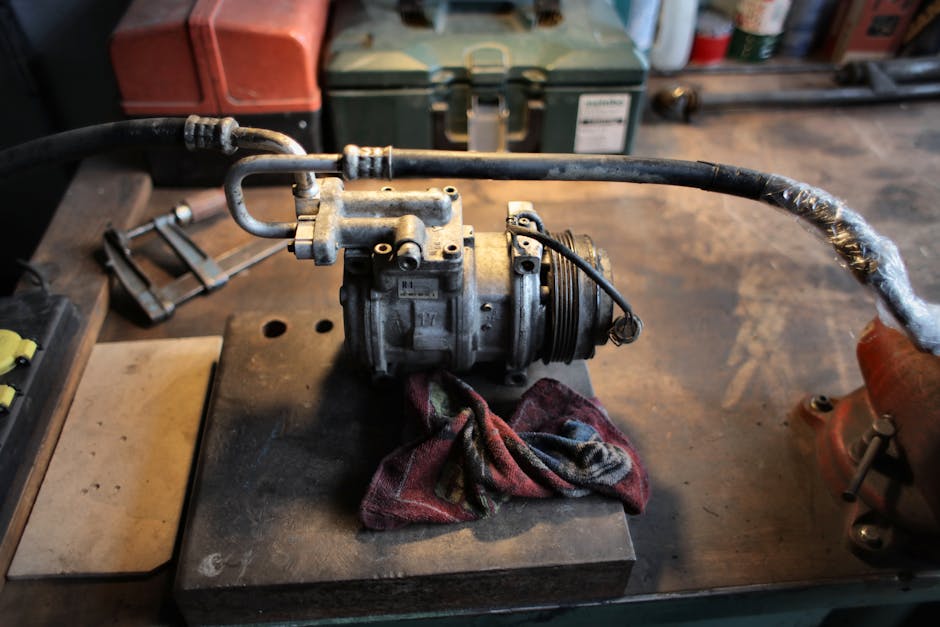
Your AC compressor clutch is an electromagnet. When you turn on the AC, the system sends electrical power to energize that magnet. The magnet pulls a plate that connects the clutch to the pulley, spinning the compressor.
If power never reaches the clutch, nothing happens.
Blown fuses are the simplest electrical problem. The AC system has a dedicated fuse in your fuse box. If that fuse blows, the clutch loses power. Check your owner's manual or the fuse box diagram to find the AC fuse. If it's black, burnt, or the wire inside looks broken, that's your problem. A new fuse might solve it immediately.
If the fuse keeps blowing, there's a short circuit somewhere in the AC electrical system. That requires tracing wiring and testing components to find the fault.
Bad wiring or corroded connections also cut power to the clutch. Moisture, heat, and vibration can damage wires over time. A technician will test for continuity and voltage at different points to find where the signal is breaking.
When the Pressure Switch Is the Culprit
The low-pressure safety switch is a smart protection device. It monitors system pressure and opens the electrical circuit when pressure drops below a safe level. This prevents the compressor from running dry, which would destroy it.
A faulty pressure switch can get stuck open. Even when refrigerant pressure is fine, the switch refuses to close and let current flow to the clutch. The compressor won't engage because the switch is blocking the signal.
Testing a pressure switch requires electrical meters and sometimes pressure gauges to compare what the switch is reading against actual system pressure. If the readings don't match reality, the switch needs replacing.
Clutch Failure and Compressor Damage
If pressure is good, electrical power is reaching the clutch, and the pressure switch tests fine, the problem may be the clutch itself or the compressor.
A worn-out clutch coil won't energize properly. The magnetic force isn't strong enough to pull the clutch plate, so the compressor stays disengaged. This is less common than refrigerant or electrical issues, but it does happen.
Similarly, internal compressor damage can prevent engagement. If the compressor seizes or becomes too tight to turn, the clutch may slip and not engage properly. You might hear grinding, squealing, or unusual noises when the AC is turned on. This usually means the compressor needs replacement, which is a bigger job than fixing a leak or replacing a switch.
When to Get Help
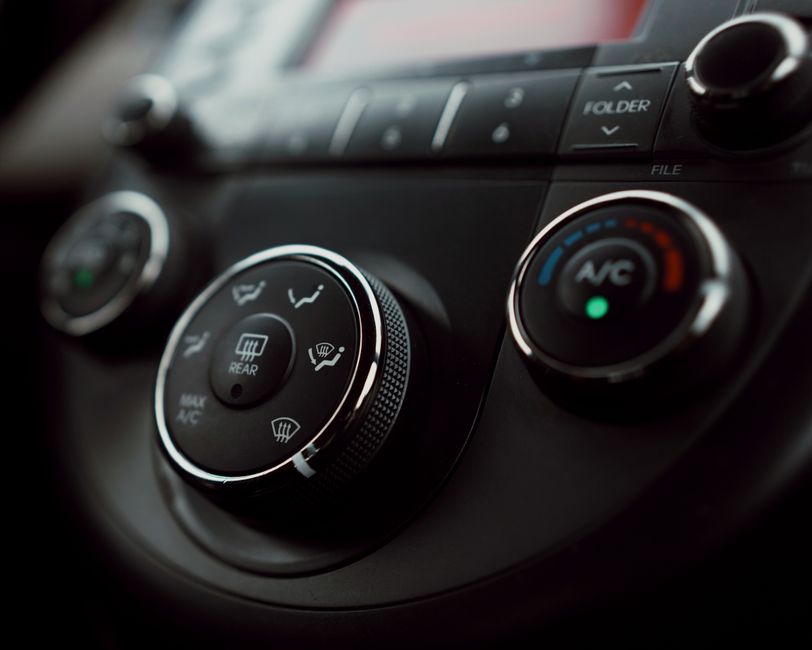
Diagnosing a non-engaging compressor requires pressure gauges, an electrical multimeter, and knowledge of how AC systems work. This isn't a DIY job. Guessing and replacing parts randomly will waste your money and time.
If your AC compressor isn't engaging, the best move is to get a proper diagnosis. Morgatech Auto Repair in Beltsville serves drivers across Prince George's County with AC and heating service. We'll test your system pressure, check your electrical connections, and identify exactly what's stopping your compressor. Once we know the problem, we'll explain what it costs to fix it before we start any work.
Most AC repairs are backed by a 24-month / 24,000-mile TechNet nationwide warranty, so you can trust the work is done right.
Call or stop by to schedule a visit. We're open Monday to Friday, 9 am to 6 pm, and we're located in Beltsville.
Frequently Asked Questions
Can I add refrigerant myself if the compressor won't engage?
Not safely. Adding refrigerant without proper equipment can overcharge the system or introduce moisture and contaminants. If the compressor isn't engaging because of low refrigerant, the system has a leak that must be found first. A leak repair and proper recharge should be done by someone with AC certification and gauges.
What does it cost to fix a non-engaging compressor?
That depends on the cause. A refrigerant leak repair costs differently than replacing a pressure switch or recharging the system. Rather than guess, contact Morgatech Auto Repair for a quote. We explain what we find and what it costs before any work starts.
Is it safe to drive with a non-engaging compressor?
Yes, you can drive with the AC not working. The compressor not engaging won't damage your engine. However, it's annoying in warm weather, and the underlying problem usually gets worse over time. If there's a refrigerant leak, it will continue to lose refrigerant. If there's an electrical fault, it may spread. Get it diagnosed sooner rather than later.
Can a blown fuse cause the compressor not to engage?
Absolutely. A blown AC fuse cuts power to the compressor clutch immediately. Check your fuse box first. If the AC fuse is burnt out, replacing it might restore engagement. If it blows again, there's a short circuit that needs professional repair.