
A multi-point inspection is a thorough visual and mechanical check of your car's key systems. It looks at your fluids, brakes, battery, belts, hoses, tires, and lights to catch problems early and keep you safe on the road.
Think of it as a health checkup for your car. During a regular maintenance visit like an oil change, your technician performs this inspection at the same time. It doesn't take long, but it can save you from expensive repairs down the road.
If you want someone to handle this inspection the right way, Morgatech Auto Repair includes a thorough multi-point inspection with every maintenance visit. Here's what gets checked and why each part matters.
Related: Multi-Point Inspection: What Is Included & Why It Matters
Fluid Levels and Condition
Your car runs on several different fluids, and all of them need to be at the right level and in good shape.
Engine oil: This is the first thing checked. Low oil starves your engine of lubrication and causes wear. Your technician looks at the level, color, and consistency. Dark, thick oil means it's time for a change.
Coolant: This keeps your engine from overheating. The inspection confirms the level is full and the fluid looks clean. If it's rusty or discolored, it may need a flush.
Brake fluid: This is what makes your brakes work. Low brake fluid is a serious safety issue. The inspection checks the level and confirms the fluid is clear, not dark or cloudy.
Transmission fluid: Whether you drive an automatic or manual transmission, this fluid keeps everything running smoothly. The technician checks the level and color to make sure it's doing its job.
All four of these fluids are essential. If any are low or dirty, your technician will let you know what needs to happen next.
Belts and Hoses
Your car has several belts and hoses that carry fluids and power key components.
Drive belt (serpentine belt): This rubber belt drives your alternator, power steering pump, and air conditioning compressor. If it cracks or frays, one or more of these systems will fail. The inspection looks for visible wear and damage.
Timing belt: This keeps your engine's valves in sync with the pistons. It's not visible from outside the engine, but your technician can assess its condition based on age and mileage.
Hoses: Coolant hoses, fuel lines, and vacuum lines carry liquids and air throughout your vehicle. The inspection checks for cracks, leaks, loose connections, and bulging. A failing hose can leave you stranded or cause engine damage.
Worn belts and hoses fail without warning, so catching them early during an inspection is smart preventive maintenance.
Braking System
Your brakes are one of the most important safety systems on your car.
The technician inspects brake pads for thickness. Thin pads mean you need new ones soon. They also check brake rotors for wear, warping, or scoring. If rotors are damaged, they may need to be resurfaced or replaced along with the pads.
The technician confirms the brake fluid level (covered above) and checks for leaks anywhere in the brake lines or calipers. If you hear squealing or grinding when you brake, or if your brakes feel soft or spongy, the inspection will identify the cause.
Electrical System and Battery
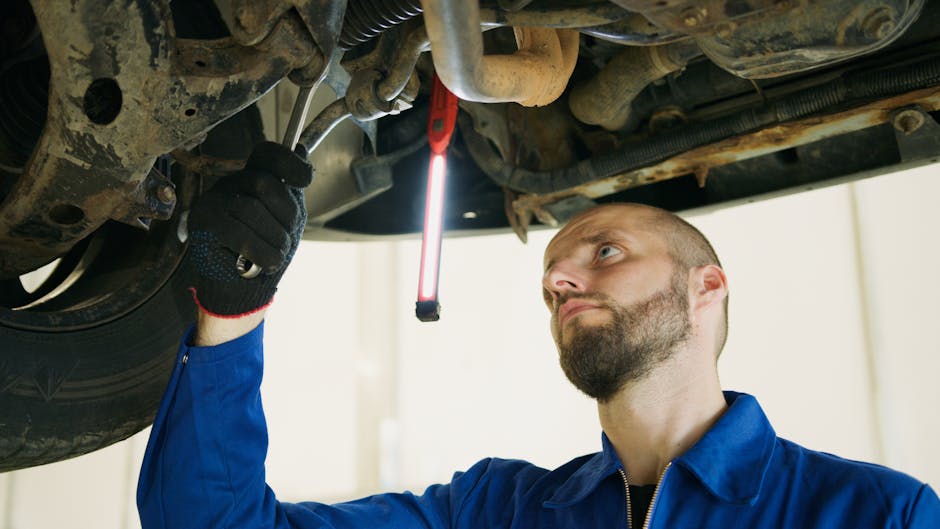
Your battery powers the starter and all your electrical systems. If it fails, your car won't start.
The inspection checks battery terminals for corrosion or loose connections. Corrosion looks like white, blue, or green crusty buildup. It stops electricity from flowing properly. The technician also assesses the overall health of the battery and confirms the charging system is working correctly.
A weak battery doesn't always give you warning before it dies, so a regular check keeps you from getting stuck.
Tires
Tires are your only contact with the road, so their condition directly affects safety and handling.
The inspection looks at tire tread depth to ensure you have adequate grip in wet conditions. Uneven wear can signal alignment or suspension issues. The technician also checks for bulges, cracks, or punctures that could lead to a blowout.
Properly inflated tires with good tread are safer, last longer, and improve fuel economy.
Lights
Headlights, taillights, brake lights, and turn signals let other drivers see you and understand your intentions.
The technician confirms all exterior lights turn on and off as they should. A burned-out bulb is a quick fix, but it's a safety issue if left unchecked. Some lights are harder to reach than others, so having a pro check them during an inspection saves time.
Why a Multi-Point Inspection Matters

A multi-point inspection is not an upsell. It's a smart way to catch small problems before they become big, expensive repairs.
When a small leak goes unnoticed for weeks, your engine can overheat or seize. When brake pads wear all the way down, you damage the rotors and pay more to fix them. When a belt breaks, it can strand you on the highway or damage the engine.
An inspection gives you a clear picture of your car's health and what maintenance or repairs it needs. You get to decide what to do and when to do it, with no surprises.
At Morgatech Auto Repair, we explain what we find and what it costs before any work starts. Most repairs are backed by a 24-month / 24,000-mile TechNet nationwide warranty, so you can trust the work we do.
How Often Should You Get a Multi-Point Inspection?
Your car's owner manual lists the recommended maintenance schedule. Most cars need an inspection every time you come in for an oil change, which is typically every 3,000 to 10,000 miles depending on your oil type and driving habits.
If you drive a lot or in harsh conditions (towing, dusty roads, frequent stop-and-go traffic), more frequent inspections are a good idea.
Don't wait for warning lights or strange noises. Regular inspections keep your car reliable and safe.
What to Do After Your Inspection
Your technician will walk you through what they found. If repairs are needed, you'll hear about the cost and what happens if you don't fix it right away.
Some issues are urgent (like low brake fluid or a cracked belt). Others can wait a few months if money is tight. The key is knowing what's wrong so you can plan ahead and avoid a breakdown.
If you're in Beltsville, College Park, Laurel, Greenbelt, or anywhere else in Prince George's County and you want a thorough multi-point inspection, Morgatech Auto Repair is here to help. We're open Monday to Friday, 9 am to 6 pm, in Beltsville. Give us a call or stop by to schedule your next service.
People Also Ask
How long does a multi-point inspection take?
A multi-point inspection usually takes 15 to 30 minutes as part of a routine maintenance visit. If your technician finds something that needs closer attention, it might take longer. The goal is to be thorough without keeping you waiting.
Does a multi-point inspection cost extra?
Most shops include a multi-point inspection as part of regular maintenance like an oil change. It's not a separate service. For details about pricing for your specific vehicle and needs, contact Morgatech Auto Repair and ask for a quote.
What's the difference between a multi-point inspection and a full diagnostic?
A multi-point inspection is a visual and mechanical check of common systems during routine maintenance. A full diagnostic is a deeper dive into specific problems, often using computer equipment to read fault codes. You'd get a full diagnostic if something is wrong and you need to know exactly what it is.
Can I do a multi-point inspection myself?
You can check some things yourself, like fluid levels and tire condition, but a professional inspection catches issues you might miss. Your technician has the training and tools to spot wear that isn't obvious to the untrained eye. It's worth having a pro do it.