
A multi-point inspection is a thorough visual and mechanical check of your car's key systems. It covers everything from your engine oil and coolant to your brake pads, suspension, tires, battery, lights and belts. The goal is simple: catch problems before they become expensive repairs and make sure your car is safe to drive.
If you're wondering what exactly a technician looks at during one of these inspections, you're in the right place. Let's break down what's included so you know exactly what to expect.
Fluids & Filters: The Lifeblood of Your Engine
Your car runs on several different fluids, and checking their levels and condition is one of the first things a multi-point inspection covers.
Engine oil gets checked for level and color. Dark or gritty oil means it's time for a change. Your technician also looks at coolant to make sure you won't overheat, brake fluid to ensure your brakes work properly, transmission fluid so your gears shift smoothly, and power steering fluid to keep your steering responsive.
Filters come next. Air filters keep dirt out of your engine. Cabin air filters clean the air you breathe inside the car. Oil filters trap debris. All of these get inspected during a multi-point check, and your technician will flag any that need replacing.
Why this matters: Running low on any critical fluid can damage your engine, compromise your brakes, or leave you stranded. Catching these issues early is cheap compared to an engine rebuild.
Belts & Hoses: Making Sure Nothing Breaks
Belts and hoses are easy to ignore until they snap. During a multi-point inspection, your technician looks at your timing belt, drive belts, serpentine belt and all the hoses connected to your cooling system, fuel system and vacuum lines.
A cracked belt or worn hose can fail without warning. A timing belt that breaks can cause thousands of dollars in engine damage. A coolant hose leak can cause your engine to overheat in seconds.
Your technician will spot signs of wear, cracking, leaking or bulging during the inspection so you can replace them before they fail.
Brakes & Safety Systems: Your Most Important Feature
Your brakes keep you and everyone on the road safe. A multi-point inspection includes a full brake system check.
Your technician looks at brake pad thickness to see if they're worn down. They inspect rotors for damage or warping. They check brake fluid condition and level. They also test your brake warning lights and make sure the brake pedal feels firm and responsive.
Any squealing, grinding, soft pedal feel or warning light is a red flag that needs attention.
Tires & Suspension: Your Connection to the Road
Your tires and suspension do more than carry your weight. They affect how your car handles, how it rides and how safe you are in emergency maneuvers.
During a multi-point inspection, your technician checks tire tread depth and condition. They look for uneven wear, bulges, cuts or foreign objects. They verify tire pressure is correct.
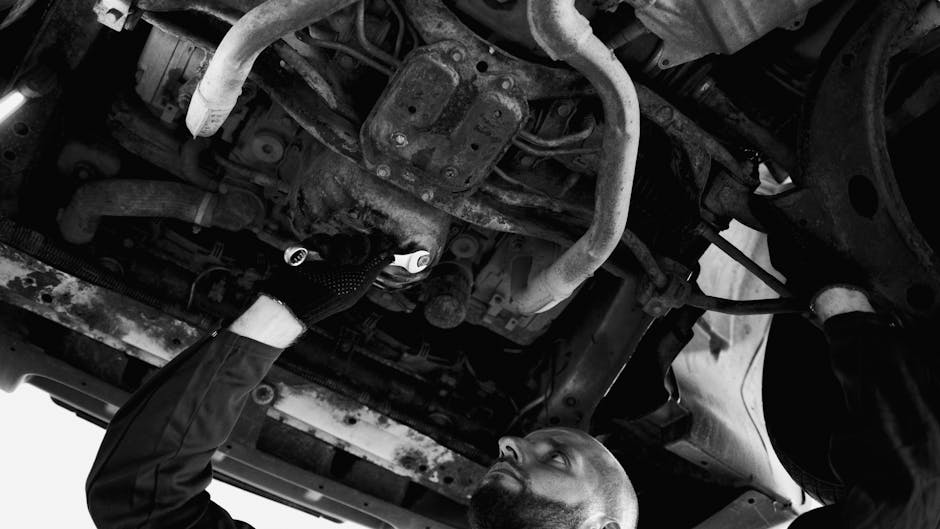
Suspension gets a close look too. Your technician feels for play in the steering wheel, checks for clunking noises, inspects struts and shocks, and looks at springs and control arms for damage or excessive wear.
A bouncy ride, pulling to one side or clunking sounds over bumps all point to suspension problems that a multi-point inspection will catch.
Electrical & Lighting: Staying Visible & Safe
You depend on your electrical system every single time you drive. A multi-point inspection checks your battery for corrosion, cracks and charge capacity.
Every light gets tested: headlights, brake lights, turn signals, interior dome lights and instrument cluster lights. Your technician checks for burnt-out bulbs and burned or corroded connections.
Warning lights on your dashboard get attention too. If your check engine light, oil pressure light or brake warning light is on, your technician notes it during the inspection so you know what needs to be diagnosed.
A dead battery or blown brake light might seem minor until you're stuck in the dark or a driver doesn't see you stopping.
Wipers & Glass: Visibility in Bad Weather
Your wipers are your lifeline in rain, snow and sleet. A multi-point inspection includes a check of wiper blade condition and operation.
Streaking, skipping or split blades mean replacement time. Your technician also looks at the glass for chips or cracks that could spread and checks the washer fluid level.
Why You Get a Written Report

A multi-point inspection is only useful if you get the results in writing. A technician walking through a verbal checklist might miss something or forget to tell you about a small issue that could grow.
Always ask for a written inspection report. It should list what was checked, what condition each system is in, what needs attention now and what might need attention soon.
A good report helps you prioritize repairs and budget for maintenance. It also protects you by giving you a detailed record of your car's condition on a specific date.
What Happens After the Inspection
Once your multi-point inspection is done, your technician should explain exactly what they found and what things cost to fix. You should never feel pressured into repairs you didn't ask for.
A reputable shop like Morgatech Auto Repair will tell you what's wrong, show you the damage if possible and give you clear pricing before any work starts. You decide what to fix and when.
Some issues are urgent (brake problems, fluid leaks, battery failure). Others can wait a few months if you're watching your budget.
How Often Should You Get One
Most manufacturers recommend a multi-point inspection as part of regular maintenance. Some shops include it with every oil change. Others offer it as a standalone service when you bring your car in for any reason.
Ideally, you should have one at least once a year or before a long trip. If your car is older or has high mileage, more frequent inspections catch problems earlier.
If you're not sure whether your car needs an inspection, Morgatech Auto Repair can help you figure out what makes sense for your vehicle. Give the team a call or stop by to talk about your car's maintenance needs.
The Bottom Line
A multi-point inspection is a comprehensive look at the systems that keep your car running safely. It covers fluids, filters, belts, hoses, brakes, suspension, tires, electrical components, lights and wipers.
The inspection catches small problems before they become big, expensive ones. It gives you peace of mind and a clear picture of what your car needs.
When you're ready for an inspection, make sure you get a written report and a clear explanation of what was found. You should never feel surprised or pressured about repair costs.
How long does a multi-point inspection take?
Most inspections take 30 minutes to an hour, depending on your car's condition and how detailed the technician is being. Complex findings might take longer if your technician needs to do additional diagnostic work.
Does a multi-point inspection always lead to repairs?
Not necessarily. If your car is well maintained, an inspection might show that everything is in good shape. The inspection's job is to find problems, but not every car will have urgent repairs needed. Some inspections just flag items to watch or plan for down the road.
Can I do a multi-point inspection myself?
You can check some things yourself like tire pressure, wiper condition and fluid levels. But a professional inspection catches issues that require specialized knowledge or tools, like brake system integrity, suspension wear or electrical faults. A trained technician will spot problems you might miss.
Is a multi-point inspection the same as a state inspection?
No. A multi-point inspection is a maintenance check done by a repair shop to keep your car running smoothly and safely. A state inspection is a legal requirement in some states to verify your car meets safety and emissions standards. They're different tests with different goals.