

Your car's AC is one of those things you don't think about until it stops working—usually on the hottest day of the year. The good news? A little regular maintenance keeps your system healthy and saves you from a nasty surprise. Here's what you need to know about car AC maintenance tips to keep your cooling system running smoothly year-round.
Run Your AC Weekly, Even in Winter
This one sounds weird, but it actually matters. You should run your air conditioning for at least 10 minutes every single week, even during the colder months when you don't need the cooling.
Here's why: your AC system has seals and moving parts that need regular use to stay healthy. When you don't run the AC for weeks or months, those seals can dry out and deteriorate. The compressor—the heart of your system—also needs to stay lubricated and active.
So even in fall and winter, fire up the AC for a quick 10-minute session. Your future self will thank you when summer hits.
Replace Your Cabin Air Filter Regularly
A clogged cabin air filter is one of the easiest problems to miss and one of the biggest reasons your AC won't cool as well as it should.
Your cabin air filter traps dust, pollen, and debris before air enters your car's interior through the vents. Over time, this filter gets packed with junk and restricts airflow. When that happens, your AC has to work harder, efficiency drops, and you get weaker cooling.
The fix is simple: replace this filter on a regular schedule. A fresh filter improves airflow immediately and helps your AC do its job without strain. If you're not sure when you last replaced yours, Morgatech Auto Repair can check it during a routine visit and swap it out if needed.
Related: Car Maintenance Schedule Checklist: Stay On Top of Repairs
Check Your Refrigerant Levels
Refrigerant is the lifeblood of your AC system. It's the fluid that actually absorbs heat from inside your car and moves it outside. Without enough refrigerant, your AC can't cool properly.
Related: Heating System Repair in Laurel: What You Need to Know
The tricky part is that refrigerant doesn't get "used up" like gasoline does. If your levels are low, it usually means you have a leak somewhere in the system. A small leak might be slow to cause problems, but it will eventually leave you with warm air blowing from your vents.
You can't easily check refrigerant levels yourself—you need specialized equipment and training. That's why it's worth having a professional inspect your AC if you notice any drop in cooling performance. They can spot leaks early before they become expensive problems.
Avoid Running AC While Idling or Parked
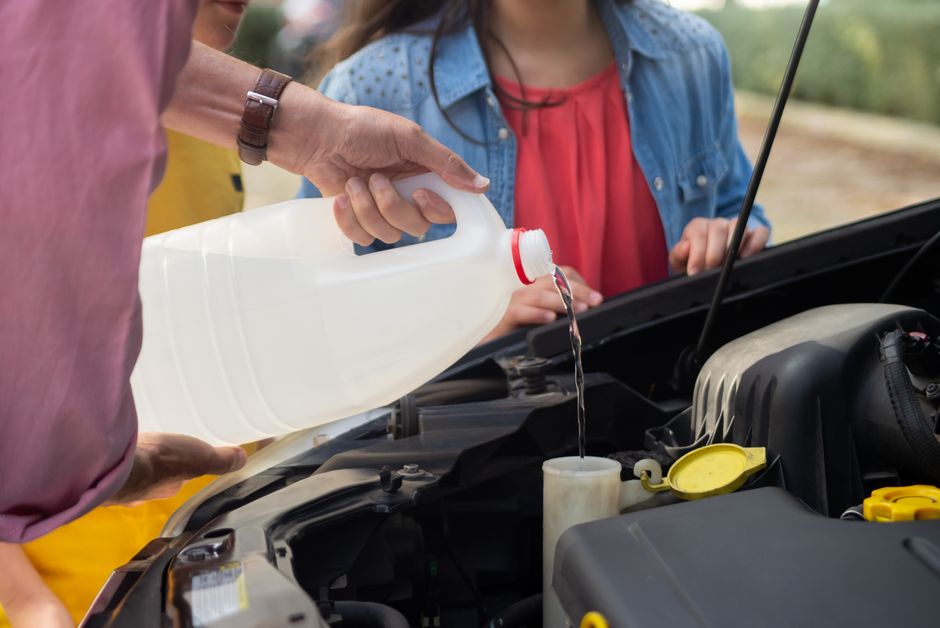
When you're sitting in traffic or parked in a parking lot with the engine running and AC blasting, you're actually putting unnecessary stress on your cooling system.
Idling doesn't give your engine enough airflow to cool the condenser (the part that releases heat outside your car). This forces your compressor to work harder than it should, which wears it out faster. It's fine to use your AC while you're actually driving—that's what it's designed for.
So save the AC for when you're on the move. If you need to cool down while parked, roll down the windows or turn off the engine and wait for someone to pick you up or for traffic to start moving again.
Use Recirculation Mode on Hot Days
Most cars have a recirculation button on the climate control panel. It looks like a car with an arrow looping inside.
When you press that button, your AC recycles the cold air already inside your car instead of pulling in hot air from outside. This makes your cooling much more efficient, especially on scorching days.
Here's the catch: don't leave recirculation on all the time. After 15-20 minutes, your cabin air gets stale and CO2 levels can build up. Switch back to fresh air mode to get outside air flowing through your vents. You can toggle back and forth as needed.
Set Your Temperature to the Coldest Setting
If you want your AC to actually cool your car, set it to the coldest temperature your system offers.
Some people think running it at a moderate temperature is easier on the system or saves fuel, but that's not how it works. Your AC compressor runs at full power whether you set it to 72 degrees or 60 degrees. Setting it to a moderate temperature just means the system has to work longer to reach that target.
Go full cold when you need cooling, and adjust the temperature back up once your car reaches a comfortable level if you want to. Your AC will work smarter and faster this way.
Keep Your Car Interior Clean
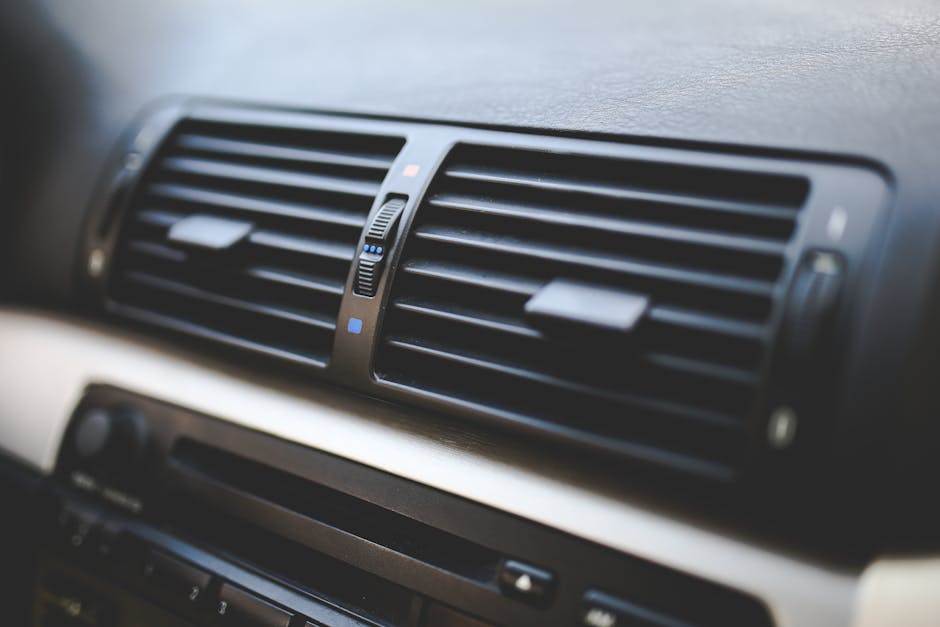
This one is less obvious, but dirt and dust inside your car can actually interfere with AC performance.
Dust and debris can clog your cabin air filter faster, block vents, and reduce airflow throughout your system. A quick vacuum of your interior and a wipe-down of your dashboard and air vents keeps your AC breathing easier.
It's not a major repair task, but it's a small habit that adds up to better cooling efficiency and a fresher cabin.
Watch for Warning Signs
Your AC usually gives you warnings before it completely fails. Pay attention to these red flags:
- Weak or warm air instead of cold air
- Unusual noises from under the hood (rattling, grinding, or squealing)
- Strange smells coming from the vents (musty, sweet, or chemical odors)
- Moisture pooling under your car after parking
Any of these signs mean something's wrong. The earlier you catch a problem, the simpler and less expensive the fix usually is. If you notice anything off with your cooling system, Morgatech Auto Repair can diagnose the issue and explain what needs to happen before any work starts.
Schedule Regular AC System Checks
Think of your AC like your teeth: regular checkups prevent big problems.
Once a year—ideally before summer hits—have a professional look at your entire AC system. They can spot small leaks, check refrigerant levels, inspect belts and hoses, and make sure everything is working as it should. Catching issues early keeps your system running longer and saves you from being stuck in a hot car.
A technician can also clean your condenser and check electrical connections to make sure your compressor isn't working harder than it needs to. These preventive steps are way cheaper than waiting for your AC to fail completely and then paying for emergency repairs.
If you're in Beltsville, College Park, Laurel, Greenbelt, or anywhere in Prince George's County and want a thorough AC check, Morgatech Auto Repair can walk through your system and let you know what it finds. The team explains everything upfront so you know exactly what the repair will cost before any work happens.
Frequently Asked Questions
How often should I service my car's AC system?
Aim for once a year, ideally before summer starts. This helps catch small problems before they become big headaches. If you live in a hot climate or use your AC constantly, twice a year is even better.
Can I recharge my AC myself?
Refrigerant recharging is not a DIY job. You need special equipment to safely handle refrigerant and properly pressurize the system. Plus, if your refrigerant is low, there's almost always a leak that needs to be found and fixed. A professional can identify the leak and repair it so your AC stays cool longer.
What does it mean if my AC smells bad?
Bad smells usually point to mold or bacteria growing inside your AC system, often in the evaporator coil. A musty smell is the most common sign. This usually means the system needs a professional cleaning. Sweet or chemical smells could indicate a different problem and should be checked out right away.
Why is my AC getting weaker over time?
Weak cooling usually comes down to low refrigerant (from a leak), a clogged cabin air filter, a dirty condenser, or a failing compressor. A professional inspection will pinpoint which one is causing the problem.