
A car maintenance schedule checklist is your roadmap to keeping your vehicle reliable and safe. Instead of guessing when something needs attention, you follow a proven timeline based on months, years, and mileage. This way, small issues get caught before they become expensive problems.
Think of it like brushing your teeth. You don't wait until your tooth hurts to clean it. The same goes for your car. A checklist keeps you accountable and gives you peace of mind knowing exactly what your vehicle needs and when.
Why You Need a Car Maintenance Schedule Checklist
Your car is made up of hundreds of moving parts, fluids, and systems that all work together. Without a plan, it's easy to forget about things like your transmission fluid or brake pads until something goes wrong.
A solid checklist helps you stay proactive instead of reactive. You'll catch worn brake pads before they damage your rotors, spot low coolant before your engine overheats, and replace filters before they get clogged. This approach saves you money, keeps you safe, and extends your car's life.
If you're unsure what your specific vehicle needs, Morgatech Auto Repair can walk you through it. Their certified technicians know exactly what to look for and can create a personalized plan based on your car's age, mileage, and condition.
Monthly Maintenance Checks
Every month, spend 10 minutes doing a quick walk-around and a short test drive. These checks take almost no time but catch problems early.
- Check your oil level. Pop the hood, pull out the dipstick, wipe it clean, reinsert it, and pull it out again. Your oil should be between the minimum and maximum marks. Low oil can damage your engine.
- Inspect your tires. Look at the tread and check for cracks, bulges, or uneven wear. Press on each tire to feel if it's soft. Underinflated or overinflated tires hurt your fuel economy and handling.
- Test your lights. Turn on your headlights, brake lights, and turn signals. Ask a friend to stand behind the car or check the reflections in a garage door. Dim or broken lights are a safety hazard.
- Listen while you drive. Pay attention to any new squealing, grinding, clicking, or clunking sounds. Noises often point to brake issues, suspension problems, or engine trouble.
- Feel how your car handles. Does it pull to one side when you brake? Does the steering feel loose? Does it bounce more than usual? These feelings tell you something might need attention.
Seasonal and Yearly Maintenance Tasks
Beyond the monthly checks, your car needs deeper attention at specific times of the year and after it reaches certain mileage intervals.
Every 6 Months or 6,000 Miles
- Rotate and balance your tires to even out wear and improve handling.
- Inspect your brakes (pads, rotors, and fluid) for wear and leaks.
- Check all your fluids: oil, coolant, brake fluid, power steering fluid, and windshield washer fluid.
Every 12 Months or 12,000 Miles
- Replace your engine air filter if it's dirty.
- Test your battery and inspect all electrical connections and wiring.
- Check your suspension and steering components for play or damage.
- Inspect your AC and heating system before hot and cold seasons.
Every 2 Years or 24,000 Miles
- Replace your cabin air filter (the one that filters air inside your car).
- Inspect your transmission fluid and have it checked by a professional.
- Check your brake fluid for moisture or contamination.
Every 3-5 Years or 30,000-50,000 Miles
- Flush and replace your coolant to keep your engine running at the right temperature and prevent corrosion.
- Inspect your transmission more thoroughly.
- Check your suspension bushings and joints for wear.
Mileage-Based Maintenance Milestones

As your car racks up miles, some jobs become more urgent. These aren't one-size-fits-all, but they're common points where parts start to wear out.
- 30,000 miles: Many vehicles need their first transmission fluid check and possibly a replacement, depending on the type (automatic or manual).
- 60,000 miles: Spark plugs, transmission fluid, and brake fluid often need attention. Suspension components may show wear depending on your driving conditions.
- 90,000 miles: Transmission fluid, coolant, and brake system inspections become more critical. Engine diagnostics help catch problems before they fail.
- Over 100,000 miles: Expect more frequent fluid checks, filter replacements, and electrical system inspections. Your battery may be nearing the end of its life, and your starter or alternator might need testing.
Building Your Personal Checklist
Your owner's manual is the gold standard for your specific vehicle. Every car is different, and manufacturers know what their engines and systems need.
Start by reading your manual's maintenance section. Write down or photograph the recommended intervals. Then add a calendar reminder or use a simple spreadsheet to track what you've done and what's coming up.
Keep records of every oil change, filter replacement, and repair. This history proves you've maintained the car and protects your investment if you ever sell it.
If your manual feels overwhelming or you're not sure what you're looking at, Morgatech Auto Repair can help. Their multi-point inspections reveal exactly what your car needs, and they explain everything clearly before any work starts.
Common Maintenance Items You Shouldn't Skip
Some tasks are non-negotiable for safety and reliability.
Brake System Care keeps you and others safe. Brake pads wear down, rotors can warp, and brake fluid can absorb moisture over time. Neglecting brakes is dangerous and expensive.
Oil Changes are the simplest, cheapest maintenance you can do. Fresh oil lubricates your engine, removes dirt, and keeps temperatures under control. Skip this and your engine will fail.
Fluid Checks prevent breakdowns. Low coolant leads to overheating. Low transmission fluid causes shifting problems. Low power steering fluid makes steering hard. Five minutes checking these saves thousands in repairs.
Filter Replacements (engine air and cabin air) keep dirt out of your engine and lungs. Clogged filters reduce performance and fuel economy.
Tire Rotation extends tire life and improves handling and safety. Uneven wear shortens tire life and makes your car harder to control.
When to Get Professional Help
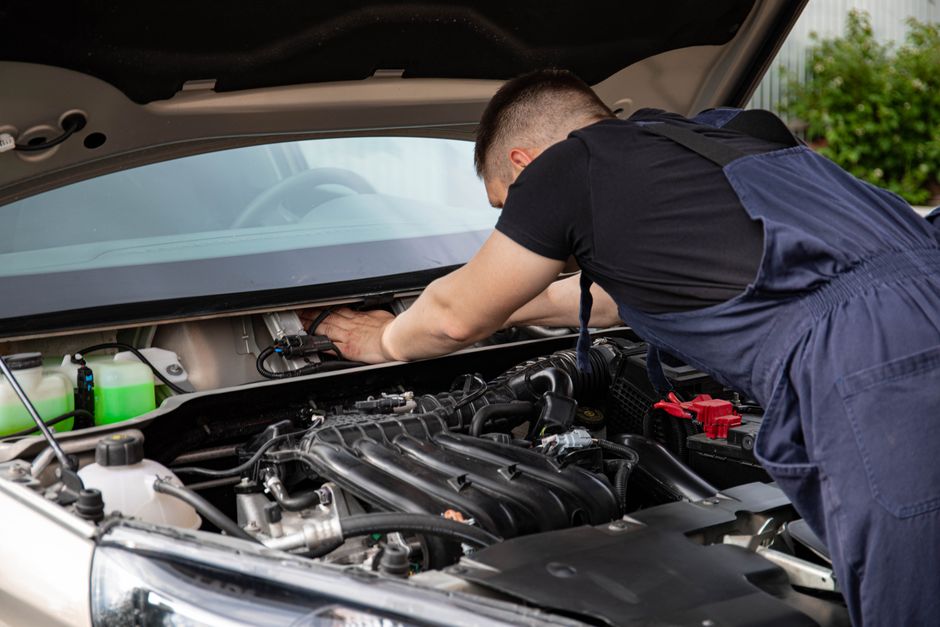
Some maintenance you can do yourself if you're comfortable. Monthly fluid checks, light inspections, and tire pressure are doable in your driveway.
Everything else should go to a professional. Oil changes, brake work, fluid flushes, filter replacements, suspension inspections, transmission service, engine diagnostics, and electrical repairs need proper tools, lifts, and expertise.
A professional inspection catches things you might miss. A loose bolt on your suspension, a frayed wire, early signs of brake wear, or a battery that's losing strength all matter. These aren't obvious until a trained technician looks closely.
Most repairs completed at Morgatech Auto Repair are backed by a 24-month, 24,000-mile TechNet nationwide warranty (terms apply). Their certified technicians explain what they find and what it costs before starting any work, so there are no surprises.
Tools and Resources for Tracking
You don't need fancy software to stay organized. A simple system works best and actually gets used.
- Phone calendar: Set reminders for the next scheduled maintenance every time you complete a task.
- Spreadsheet: Create columns for the date, mileage, task completed, and notes. Easy to update and review.
- Notebook: Keep a small log in your car's glove box. Write down every service date, mileage, and cost.
- Owner's manual: Dog-ear the maintenance section and cross off completed tasks with a pencil.
- Photo: Snap a picture of your odometer when you finish a job so you remember the exact mileage.
The method doesn't matter. Consistency does. Pick one and stick with it.
Your Maintenance Schedule in Action
Let's say you just bought a car with 50,000 miles. Here's what your next 12 months might look like based on a typical maintenance schedule.
- This month: Check all fluids and rotate tires.
- Next month: Inspect brakes and test battery.
- 3 months: Oil change and air filter replacement.
- 6 months: Rotate tires again and transmission fluid check.
- 9 months: Full fluid check and suspension inspection.
- 12 months: Cabin air filter replacement and electrical system test.
Your schedule will be different based on your car's age, mileage, driving habits, and conditions. City driving with frequent stops is harder on brakes than highway driving. Towing puts extra stress on your transmission. Hot climates are tough on cooling systems.
The Long-Term Payoff
Following a car maintenance schedule checklist isn't exciting, but it's powerful. You avoid breakdowns, keep your car safer, maintain resale value, and spend less money overall on repairs.
Small preventive maintenance now beats emergency repairs later. An oil change costs far less than an engine replacement. New brake pads cost less than new rotors. A coolant flush costs less than an overheated engine. The math is simple.
When you're ready to get your car professionally serviced or need help creating a maintenance plan, reach out to Morgatech Auto Repair in Beltsville. They serve drivers across Beltsville, College Park, Laurel, Greenbelt, and Prince George's County. Call to schedule a visit or ask about a multi-point inspection to see exactly what your car needs right now. They're open Monday to Friday, 9 am to 6 pm.
How often should I check my car's fluids?
Check your oil, coolant, brake fluid, and power steering fluid at least once a month or before any long road trip. Transmission fluid should be checked at least once a year or according to your owner's manual. Low fluids are one of the easiest problems to catch and fix yourself.
What's the difference between preventive maintenance and repairs?
Preventive maintenance is work you do on a schedule before something breaks, like oil changes and filter replacements. Repairs fix things that have already worn out or failed, like replacing a dead battery or fixing a transmission leak. Preventive maintenance keeps you out of the repair shop.
Do I have to follow the maintenance schedule in my owner's manual?
Your owner's manual is built specifically for your vehicle by the manufacturer. It knows your engine, transmission, and systems better than anyone. Following it keeps your warranty valid (if you still have one) and catches problems early. If you're not sure what your manual says, ask a professional to review it with you.
How do I know if my car needs brake service?
Listen for squealing or grinding sounds when you brake. Feel if the brake pedal is softer than usual or if your car pulls to one side when braking. Look at your brake pads through the wheel spokes to check the thickness. Brake fluid leaks (small puddles under your car) also signal a problem. Get your brakes inspected if you notice any of these signs.