

Battery terminal corrosion is that crusty, whitish or bluish-green buildup around your battery connections. It looks nasty, and it can mess with your car's ability to start and run smoothly. The good news? A car battery terminal corrosion fix is straightforward, and you can handle it yourself in about 15 minutes with stuff you probably already have at home.
Let's walk through exactly how to clean those terminals and get your battery working properly again.
Why Battery Terminal Corrosion Happens
Corrosion forms when acid vapor escapes from your battery and mixes with moisture and air around the terminal posts. It's basically a chemical reaction, and it creates that crusty layer that blocks the electrical connection between your battery and the rest of your car.
The more corroded your terminals get, the harder it is for electricity to flow. That means your starter might struggle, your lights might be dim, or your car might not turn over at all.
How to Clean Battery Terminal Corrosion: The Baking Soda Method
This is the most reliable way to fix battery terminal corrosion at home. You'll need baking soda, water, a small container, an old toothbrush or wire brush, and some clean rags or paper towels.
Step 1: Disconnect the Battery
Before you touch anything, turn off your engine and make sure the car is completely cool. Then disconnect the negative terminal first (it's usually marked with a minus sign or black color). Loosen the connector nut with a wrench and slide the cable off. Then do the same for the positive terminal (the red or plus-marked one).
Always disconnect negative first and reconnect negative last. This keeps you safer from electrical shocks.
Step 2: Mix Your Cleaning Solution
Pour about two tablespoons of baking soda into a small cup or bowl. Add just enough water to make a thick paste. It should look like wet sand, not soupy.
Step 3: Apply and Watch It Bubble
Use an old toothbrush to apply the baking soda paste directly onto the corroded terminals and cable connectors. As soon as the mixture touches the corrosion, it'll start bubbling and fizzing. That's the chemical reaction neutralizing the acid buildup. Let it bubble for a minute or two.
Step 4: Scrub Away the Corrosion
Once the bubbling slows down, use your brush to gently scrub away the loosened corrosion. You don't need to be aggressive. The baking soda does most of the work. Scrub until the terminals look shiny and clean.
Step 5: Rinse and Dry
Spray or wipe the terminals with a little water to rinse away any remaining baking soda and corrosion residue. Then dry everything completely with a clean rag. Any moisture left behind can start corrosion all over again.
Protect Your Terminals After Cleaning
Once your terminals are clean and dry, apply a thin layer of grease or terminal protectant to both the positive and negative posts. This creates a barrier that slows down future corrosion. You can use petroleum jelly, dielectric grease, or a product made specifically for this purpose.
Don't use too much, just a light coating all around the terminal and connector.
When to Stop and Call a Professional

If corrosion comes back within a few weeks or months after you clean it, that's a red flag. Recurring corrosion usually means your battery is leaking acid and probably needs replacement. That's a job where you'll want a pro's expertise and tools.
Also, if your terminals are so corroded that the cable connectors won't come off, or if you're uncomfortable working with your battery at all, it's time to get help. Morgatech Auto Repair handles battery issues, terminal cleaning, and battery replacement for drivers across Beltsville, College Park, Laurel, and Prince George's County. Our technicians will diagnose why the corrosion keeps coming back and get it fixed right.
Related: Why Your Car Battery Keeps Dying: Causes & Fixes
Alternative Cleaning Methods
Baking soda is your safest bet, but acidic liquids work too. Some people use cola or even white vinegar to dissolve corrosion. The acid in these liquids breaks down the buildup similarly to how baking soda neutralizes it. Pour a small amount directly on the corroded area, let it sit for a minute, and scrub.
The downside is that acidic cleaners are messier and can damage paint or other metal parts if you're not careful. Stick with baking soda if you're new to this.
How to Prevent Corrosion From Coming Back
Once you've cleaned your terminals, keep them protected. After every cleaning, apply that protective grease layer. Keep your battery clean and dry by checking it during regular maintenance.
If you live somewhere humid or salty (like near the ocean), corrosion will return faster. Plan to inspect your terminals every few months and clean them before buildup gets heavy.
Also, make sure your battery cable connections are tight. Loose connections create extra heat and vibration, which speeds up corrosion. If the cables are wobbly, have them tightened or replaced.
What If Your Battery Is Actually Dead?
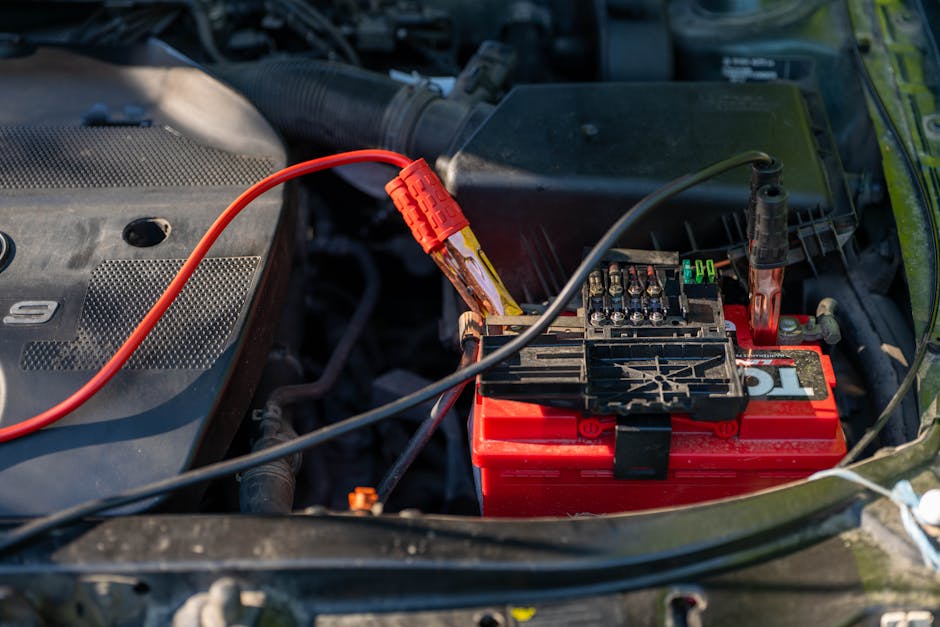
Sometimes what looks like a corrosion problem is actually a battery that's dying. If your car won't start even after you clean the terminals, the battery itself might be the issue. If you're unsure whether your battery is healthy or just corroded, Morgatech Auto Repair can run a battery test and let you know exactly what's going on. We'll explain the findings and the cost before we do any work.
Quick Recap: The Steps You Need
- Disconnect the negative terminal, then the positive.
- Mix baking soda and water into a paste.
- Apply to corroded terminals and let it bubble.
- Scrub gently with an old toothbrush.
- Rinse with a little water and dry completely.
- Apply a protective grease layer.
- Reconnect positive terminal, then negative.
That's it. Fifteen minutes and your battery terminals will be clean and working like they should.
What causes battery terminal corrosion?
Acid vapor from inside your battery mixes with moisture and oxygen in the air. This chemical reaction creates that crusty buildup on the terminal posts and cable connectors. It's totally normal, but it needs cleaning to keep your electrical system working.
Can I use vinegar to clean battery terminals?
Yes. Vinegar is acidic and can dissolve corrosion, similar to how baking soda neutralizes it. Just pour a small amount on the corroded area, let it sit briefly, and scrub. Baking soda is safer for beginners because it's less likely to damage paint or other nearby parts, but vinegar works in a pinch.
How often should I clean my battery terminals?
It depends on your climate and how quickly corrosion builds up. In humid areas, you might need to clean every 3 to 6 months. In drier climates, once a year might be enough. Check your terminals during regular maintenance and clean before corrosion gets heavy.
If corrosion keeps coming back, what does that mean?
Quick corrosion return usually signals that your battery is leaking acid and nearing the end of its life. It's time for a replacement. If you notice corrosion returning fast after cleaning, have your battery tested to confirm it needs replacement rather than just maintenance.