

When your car's electrical system starts acting up, it can feel like you're dealing with a mystery. Dim headlights, slow power windows, or a car that won't turn over—these are all signs your electrical system needs attention. The good news? Understanding car electrical problems diagnosis isn't as complicated as it sounds. You don't need to be a mechanic to recognize when something's wrong, and knowing what to look for can save you time and frustration.
Let's walk through how electrical problems show up, what causes them, and when you need professional help.
The First Signs Your Electrical System Has Problems
Your car's electrical system talks to you if you know how to listen. The earliest warning signs are usually small annoyances that get bigger if you ignore them.
Headlights that dim or flicker are one of the clearest signals. If your headlights get noticeably dimmer when you're idling at a red light, or they flicker on and off, your battery or alternator might be struggling. Healthy headlights stay steady no matter what.
Power windows and locks that move slowly tell you the electrical system is under stress. These features draw a lot of power, so they're often the first things to slow down when your battery or charging system is weak. If your windows take longer to roll down than they used to, pay attention.
Related: How Often to Change Transmission Fluid: A Simple Guide
Difficulty starting your car is a red flag that demands action. If your engine cranks slowly, clicks when you turn the key, or won't start at all, you've got an electrical problem that needs diagnosis right away. This could be your battery, starter motor, or alternator.
Dashboard warning lights that stay on or flash are your car's way of asking for help. A battery icon, alternator symbol, or check engine light related to electrical function all point to trouble.
What Causes Electrical Problems in Cars
Most car electrical issues trace back to a few common culprits. Understanding these helps you understand the diagnosis process.
Battery problems are the most common cause. Your battery supplies the initial power to start your engine and keeps electrical systems running. Over time, batteries lose the ability to hold a charge. If your battery is old, corroded, or damaged, it can't do its job.
Alternator failure is another major issue. Your alternator keeps the battery charged while the engine runs. If it stops working, your battery drains quickly, and you lose all electrical power while driving. This is a serious problem.
Bad starter motors prevent your engine from turning over. When you hear clicking sounds instead of the engine cranking, the starter often takes the blame.
Corroded or loose battery terminals block the flow of electricity. Even if your battery is fine, poor connections can create the same symptoms as a dead battery. Corrosion around the terminals looks like white, blue, or green crusty buildup.
Faulty ground connections are sneaky. Your car's electrical system needs solid ground connections to complete circuits. When connections get loose, corroded, or damaged, electricity can't flow properly. Ground connection problems are a frequent cause of electrical issues and require systematic testing to locate.
Wiring damage from age, heat, or physical damage can interrupt electrical flow. Worn insulation, broken wires, or pinched cables all cause problems.
How Mechanics Diagnose Electrical Problems
When you bring your car in for car electrical problems diagnosis, here's what a qualified technician will do:
Visual inspection comes first. The tech looks for obvious issues like corroded terminals, loose battery cables, damaged wiring, or burnt components. Sometimes the problem shows itself right away.
Battery testing is standard. A good diagnostic starts by measuring your battery's voltage and how much current it can deliver. A healthy battery typically reads around 12.6 volts when the engine is off.
Alternator testing follows. With the engine running, the tech checks whether your alternator is charging the battery properly. A working alternator should maintain voltage around 13.5 to 14.5 volts.
Starter testing involves listening and measuring. The tech listens for clicking or grinding sounds and tests the starter's ability to crank the engine smoothly.
Voltage drop testing identifies hidden faults. This is a diagnostic method that measures voltage loss across connections and components. By applying a load to the electrical system and measuring voltage at different points, technicians can spot bad ground connections and other faults that don't show up in basic tests.
Advanced diagnostic tools provide precision. Modern vehicles have complex electrical systems that need proper equipment to diagnose accurately. Multimeters, battery analyzers, and specialized scanners help find problems faster and more reliably than guessing.
If you're facing electrical gremlins and want a thorough workup, Morgatech Auto Repair has the tools and expertise to test your entire electrical system and pinpoint what's wrong before any repairs begin.
What You Can Check Yourself Before Calling a Mechanic
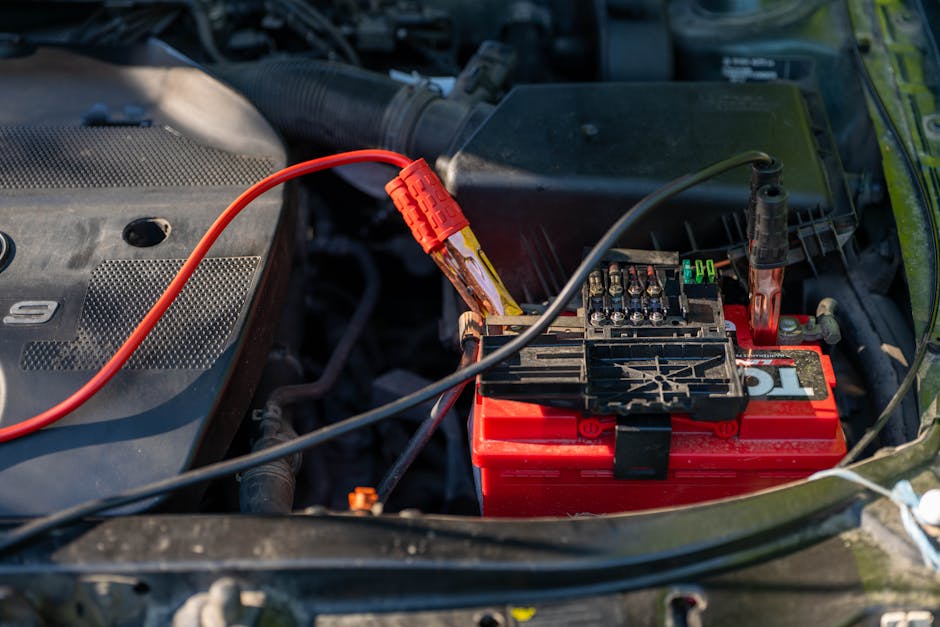
You don't need special tools to spot some electrical problems.
Look at your battery terminals. Open your hood and inspect where the cables connect to the battery. If you see heavy corrosion (crusty white, blue, or green buildup), that's a red flag. Loose connections are easy to spot too—try gently wiggling the cable to see if it moves freely.
Listen to your starter. When you turn the key, does the engine crank normally or do you hear rapid clicking? Clicking means electrical issues. A single click means the starter itself might be bad.
Watch your headlights. Turn them on while parked. Are they bright and steady? Now rev the engine slightly. Do they get brighter or stay the same? Steady is good. Dimming when you rev suggests a charging problem.
Test your power windows. Roll them up and down. Do they move smoothly at normal speed? Slow movement points to electrical strain.
Check your battery age. If you know when your battery was installed, write down the date. Most car batteries last three to five years. If yours is older, age alone might explain your symptoms.
These checks give you clues, but they're not a full diagnosis. If you notice multiple symptoms or aren't sure what you're looking at, professional diagnosis is worth the time.
When to Seek Professional Help for Electrical Diagnosis
Some electrical problems you need to fix right away. Others can wait a few days if you're careful.
Get it fixed immediately if your car won't start. You're stuck without a solution, and the problem usually gets worse the longer you wait.
Don't ignore flickering headlights or loss of power. These point to battery or alternator failure. If your alternator is failing, your battery will eventually die and you'll be stranded.
Slow power windows are usually less urgent but still matter. They're a warning sign that electrical strain is building.
Any burning smell near the battery or engine compartment demands immediate attention. That's a sign of electrical fire risk.
When you're ready to get a proper diagnosis, the team at Morgatech Auto Repair will explain exactly what they find and what it costs to fix before any work starts. They serve drivers across Beltsville, College Park, Laurel, Greenbelt, and throughout Prince George's County, and most repairs are backed by a 24-month / 24,000-mile warranty so you can feel confident in the work.
Understanding Your Repair Options
Once a problem is diagnosed, repair is usually straightforward.
Battery replacement is often the fix for starting problems and dim lights. A new battery is reliable and affordable.
Alternator repair or replacement solves charging issues. If your alternator is failing, it needs to be replaced—it can't be fixed.
Starter replacement is the answer for clicking or no-crank problems caused by a bad starter.
Terminal and cable cleaning or replacement fixes corrosion problems. Sometimes it's as simple as scrubbing away buildup.
Wiring repair or replacement addresses damage or poor connections. Finding the exact location requires diagnostic testing, which is why systematic testing is important.
The exact repair depends on the diagnosis. That's why a thorough diagnostic is the critical first step. You want to know what's actually broken before you pay to replace parts.
How to Prevent Electrical Problems

Good maintenance habits keep electrical issues from sneaking up on you.
Keep your battery terminals clean. Every few months, check your battery connections. If you see corrosion, clean it off with a wire brush or terminal cleaner.
Don't ignore warning lights. When your dashboard shows an electrical warning, get it checked soon. Early diagnosis saves money and keeps you safe.
Drive regularly. If your car sits for weeks without running, your battery drains. Regular use keeps the battery charged and the alternator working.
Avoid draining your battery intentionally. Leaving headlights, interior lights, or accessories on overnight kills batteries faster.
Get your battery tested before winter. Cold weather is hard on batteries. A test in fall tells you if replacement is coming.
Why does my car have electrical problems even though the battery is new?
A new battery solves battery problems, but your car might have an alternator that isn't charging, a starter that's failing, or faulty wiring. That's why diagnosis matters—the battery isn't always the culprit. Proper testing identifies which component is actually broken.
Can I drive my car if the alternator is failing?
For a short distance, yes. Your battery can power the car for a while if the alternator isn't charging. But once the battery runs low, you'll lose electrical power and your car will stall. Don't rely on this—get the alternator fixed before you're stranded.
What does voltage drop testing actually tell you?
Voltage drop testing measures how much electrical power is lost across connections and components. High voltage drop means poor connections or failing parts. This test pinpoints problems that wouldn't show up in a simple battery voltage check, making it valuable for tricky electrical issues.
How much does it cost to diagnose electrical problems?
Diagnostic costs depend on how complex your electrical system is and how thorough the testing needs to be. Call Morgatech Auto Repair at the shop or schedule a visit to discuss what you're experiencing, and they'll give you a quote for the diagnosis before any work begins.