

The answer depends on your transmission type, but most cars need a transmission fluid change somewhere between 30,000 and 60,000 miles. If you drive an automatic, you're typically looking at 30,000 to 40,000 miles. Manual transmission owners usually have a bit more wiggle room—around 30,000 to 60,000 miles. The key is checking your owner's manual, because manufacturers have specific recommendations for your exact vehicle.
Transmission fluid is like the lifeblood of your transmission. It lubricates the internal parts, helps transfer power from your engine to your wheels, and keeps everything from overheating. When that fluid gets old and dirty, your transmission has to work harder, shifting becomes less smooth, and you risk serious (and expensive) damage down the road.
Why Transmission Fluid Changes Matter
Your transmission fluid breaks down over time. The additives that help it protect and lubricate wear out. Heat, friction, and particles that accumulate in the fluid all take their toll.
When you ignore transmission fluid changes, a few things can happen. Your transmission might start slipping—that feeling where your engine revs but your car doesn't accelerate smoothly. Shifting can become rough or delayed. In the worst cases, you could face a complete transmission failure, which is one of the most expensive repairs you can make on a car.
Related: Transmission Slipping Symptoms: What to Watch For
Regular fluid changes are cheap insurance compared to what transmission repairs cost. Think of it like brushing your teeth instead of waiting for a root canal.
How to Know When Your Transmission Fluid Needs Changing
The best way is to stick to your manufacturer's schedule. Open your owner's manual and look for the transmission service interval. Write down the mileage or due date so you don't forget.
You can also check your transmission fluid yourself between services. Pull out the dipstick (if your car has one), wipe it clean, reinsert it, and pull it out again to read the level. The fluid should be bright red or pink for automatic transmissions. If it looks dark brown or smells burnt, that's a red flag that a change is overdue.
Related: How Often Should You Change Brake Pads? A Simple Guide
Some newer cars don't have dipsticks—they use sealed transmissions with electronic monitoring. If that's you, trust the maintenance reminders on your dashboard or consult your manual.
Automatic Transmissions: The 30,000 to 40,000 Mile Range
Automatic transmissions work hard because they're constantly adjusting gear ratios for different driving conditions. That puts more stress on the fluid, which is why they typically need service more often than manual ones.
If you drive in heavy traffic, tow frequently, or do a lot of stop-and-go driving, your transmission fluid takes a beating. In those cases, you might want to change it closer to 30,000 miles rather than waiting longer. The harder your car works, the harder your transmission works.
Regular automatic transmission fluid changes keep your shifts smooth and responsive. You'll notice the difference—especially when you're merging on the highway or accelerating from a stop.
Manual Transmissions: The 30,000 to 60,000 Mile Range
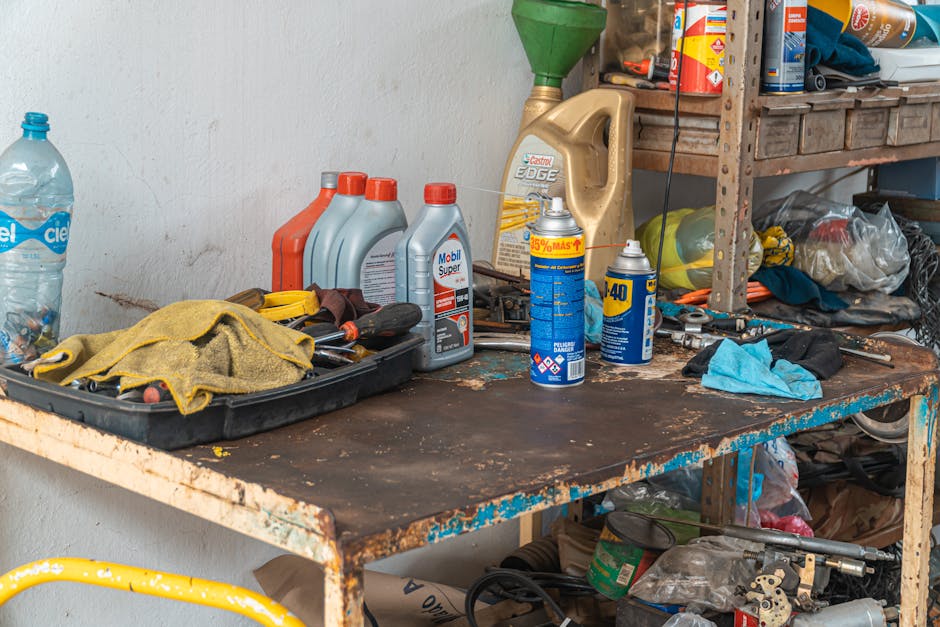
Manual transmissions are built differently and generally put less stress on the fluid. That's why they can often go longer between changes. Some can make it to 60,000 miles, while others need a change sooner.
The same rule applies though: check your owner's manual first. Don't assume all manual transmissions are the same. Some manufacturers recommend more frequent changes, especially for cars that are driven hard or towed frequently.
Manual transmission fluid also lubricates the clutch and bearings, so keeping it fresh matters for smooth shifting and clutch longevity.
What Happens If You Skip or Delay Transmission Fluid Changes
Dirty transmission fluid loses its ability to lubricate effectively. Parts inside your transmission start grinding against each other with less protection. The fluid also can't cool your transmission as well, so temperatures rise.
Over time, this causes wear on gears, clutches, and seals. Small particles build up in the fluid, creating a sludgy mess. Eventually, your transmission becomes sluggish, unpredictable, or stops working altogether.
The longer you wait, the more damage accumulates. What would have been a simple fluid change becomes a full transmission overhaul or replacement. That's a difference of hundreds or thousands of dollars.
How to Stay on Schedule
Mark your calendar. Seriously. Write down when your last transmission fluid change was, and set a reminder for when the next one is due. It's the simplest way to stay on top of it.
Track your mileage too. If you drive a lot, you might hit your service interval faster than you think. Some people check their transmission fluid condition every oil change, which is a smart habit.
If you're ever unsure about whether your fluid needs changing, a professional technician can inspect it and let you know. That's where Morgatech Auto Repair can help you stay on top of transmission maintenance. We can check your fluid, review your manufacturer's recommended schedule, and let you know exactly when service is due. We handle transmission fluid changes for both automatic and manual transmissions, and we'll explain what we find before any work starts.
Signs Your Transmission Fluid Needs Attention Now
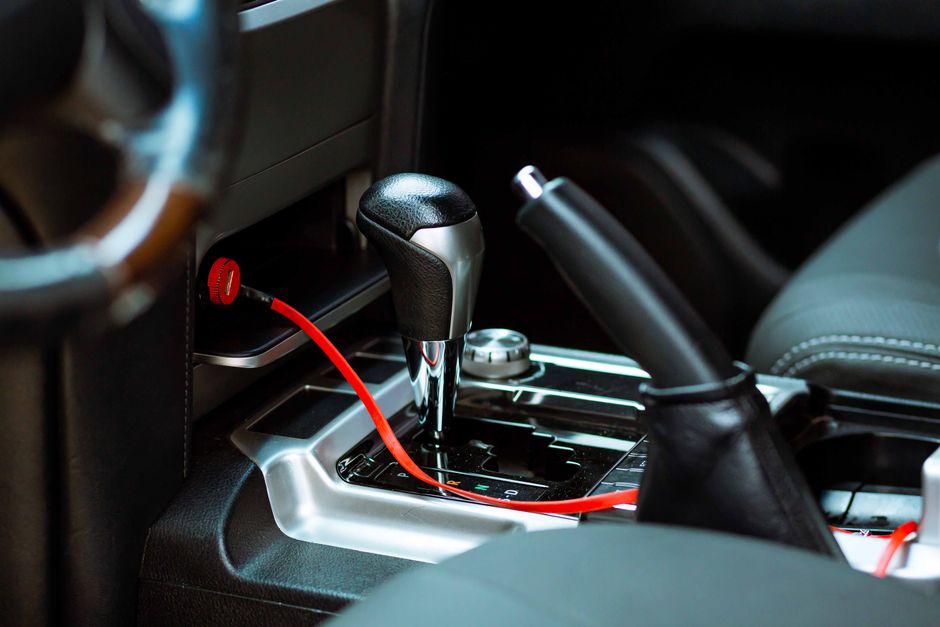
Don't wait for your next scheduled service if you notice these warning signs:
- Your transmission slips or hesitates when shifting
- You see reddish fluid under your car (a leak)
- Your transmission makes grinding, whining, or clunking noises
- Shifting feels rough, delayed, or unpredictable
- Your transmission fluid smells burnt
- Your check engine light comes on
Any of these means it's time to get your transmission checked by a professional right away. The sooner you address a problem, the less damage occurs and the less expensive the repair.
Professional Transmission Service vs. DIY
Transmission fluid changes involve draining the old fluid, replacing filters if needed, and adding new fluid to the correct level and type. It sounds straightforward, but there are pitfalls.
Using the wrong type of transmission fluid for your vehicle can damage your transmission. Overfilling or underfilling causes shifting problems and overheating. Some transmissions require special equipment or procedures to change the fluid properly.
A professional technician knows exactly what your car needs. They'll use the correct fluid, fill it to the right level, and make sure everything is working properly afterward. Most repairs done by professionals are backed by a warranty, so you have peace of mind.
If you'd rather hand this job to a pro, Morgatech Auto Repair handles transmission service for automatic and manual transmissions. We'll check your fluid, recommend service based on your vehicle's schedule, and explain what we find before we do any work. Most of our repairs are backed by a 24-month / 24,000-mile TechNet nationwide warranty (terms apply).
The Bottom Line
Transmission fluid changes are one of the easiest and cheapest ways to keep your transmission healthy. Following your manufacturer's schedule—typically every 30,000 to 60,000 miles depending on your transmission type—protects you from major repairs and keeps your car running smoothly.
Check your owner's manual, mark your calendar, and don't ignore warning signs. Your transmission will thank you for years to come.
What type of transmission fluid does my car need?
Your owner's manual lists the exact specification. Different transmissions require different fluids—some use ATF (automatic transmission fluid), others use synthetic blends or proprietary formulas. Using the wrong type can damage your transmission, so always check your manual or ask a technician before buying fluid.
Can I check my transmission fluid level myself?
If your car has a transmission dipstick, yes. Pull it out, wipe it clean, reinsert it fully, then pull it out again and read the level. The fluid should be between the minimum and maximum marks and bright red or pink in color. If your car has a sealed transmission without a dipstick, you'll need a technician to check it.
What does dark or burnt transmission fluid mean?
It means the fluid has broken down and lost its protective properties. Dark brown or blackish fluid is a sign that a change is overdue or that something inside your transmission is worn. Burnt smell indicates heat damage. Either way, get your transmission checked as soon as possible.
Does towing or heavy driving change the service schedule?
Yes. If you tow a trailer, carry heavy loads frequently, or drive in stop-and-go traffic most of the time, your transmission fluid works harder and breaks down faster. Many manufacturers recommend more frequent changes for severe driving conditions. Check your owner's manual for the severe service schedule.