
Transmission slipping is one of those issues that sneaks up on you. One day your car feels fine, and the next it's revving like crazy but not actually accelerating the way it should. If you've noticed your engine speeding up without your vehicle keeping pace, or if your car feels sluggish when you hit the gas, transmission slipping might be happening right now.
The good news is that knowing what to look and listen for can save you from major damage down the road. Let's walk through the main transmission slipping symptoms so you can catch this problem early.
The Most Common Transmission Slipping Symptoms
The clearest sign of transmission slipping is a mismatch between your engine and your wheels. Your RPMs climb, but your speed doesn't follow. It's like stepping on the gas pedal and feeling the engine work harder without the car actually going faster.
You might also notice your car hesitates when you accelerate. There's a delay between pressing the gas and the vehicle responding. Some drivers describe it as a "searching" feeling, like the transmission is hunting for the right gear and can't quite find it.
Another telltale sign is delayed engagement. When you shift into Drive or Reverse, your car takes a beat to respond instead of moving right away. This delay can range from a half-second to a few seconds, and it gets worse over time if you don't address it.
Shifting Problems and Gear Issues
Beyond the slipping sensation, you might feel your transmission shifting harshly or shifting late. Instead of smooth gear changes, there's a noticeable jerk or clunk as gears engage. This is your transmission struggling to do its job.
Some people notice their car slipping out of gear while driving, especially on hills or during normal acceleration. This is dangerous and needs immediate attention because your transmission isn't staying engaged where it should be.
If you're hearing grinding noises or unusual sounds (especially when the car is in Neutral), that's another red flag. Strange noises often mean internal transmission parts are wearing down or there's debris inside the system.
What Your Senses Can Tell You
Pay attention to smells. A burning odor coming from under your car, especially near the transmission area, means something is overheating. Transmission fluid is breaking down or there's excessive friction inside.
Shuddering or vibration during acceleration is also worth noting. Your car shouldn't shake or shutter when you step on the gas. When it does, your transmission is struggling to transfer power smoothly to the wheels.
You might also feel excess heat coming from the transmission area, or notice that your transmission fluid is low or dark red instead of bright red. Dark fluid means it's oxidized and losing its effectiveness. Low fluid means there's a leak somewhere.
Warning Lights and Dashboard Alerts
Modern cars will often tell you something's wrong before the problem gets severe. A Check Engine light or a transmission-specific warning light on your dashboard is your car's way of saying "Hey, pay attention to me."
Don't ignore these lights. They're triggered by sensors that detect problems inside the transmission or transmission fluid system. The sooner you get a diagnosis, the less damage you're likely to face.
Why Transmission Slipping Gets Worse Fast
Here's the thing about transmission problems: they rarely stay the same. What starts as mild slipping can become severe in weeks or months. The longer you drive with a slipping transmission, the more internal wear and tear happens.
Heat buildup makes it worse. When your transmission isn't shifting properly, friction increases, which raises the temperature. Hotter fluid breaks down faster, which causes more slipping, which creates more heat. It's a downward spiral.
Eventually, you might face a complete transmission failure where the car won't move at all. That's expensive. Catching slipping early and getting a proper diagnosis means you have way more options and usually a less costly repair path.
What Causes Transmission Slipping
Low or dirty transmission fluid is the most common culprit. Your transmission needs clean fluid at the right level to work properly. If the fluid is low, the transmission can't build pressure. If it's dirty, it can't lubricate or cool effectively.
Internal wear is another major cause. Clutches, bands, and seals inside your transmission wear out over time, especially if you don't change the fluid regularly. Once they wear, they can't grip or hold the way they should, and slipping happens.
Electrical issues can cause slipping too. Your transmission relies on sensors and solenoids to shift at the right time. If one of these components fails, the transmission might not shift smoothly or at all.
What to Do If You Notice These Symptoms
First, check your transmission fluid level and color if you're comfortable doing so. If it's low, top it up and watch to see if the problem improves. If you notice fluid pooling under your car, you have a leak that needs fixing.
Don't keep driving aggressively. Avoid hard acceleration and high speeds while your transmission is slipping. The more stress you put on it, the faster it will deteriorate.
Get a professional diagnosis as soon as possible. Transmission problems are complex, and what looks like one issue might be something else entirely. A certified technician can plug in a diagnostic scanner, check your fluid, and figure out exactly what's happening inside your transmission.
If you're in the Beltsville or Prince George's County area, Morgatech Auto Repair can run a full transmission diagnostic and explain what they find before any work starts. They handle automatic and manual transmission service and back most repairs with a 24-month / 24,000-mile warranty.
Transmission Service and Repair Options
Depending on what's causing the slipping, the fix might be simple or complex. A fluid and filter change can sometimes solve the problem if low or dirty fluid is to blame. This is the least expensive option and often works for early-stage slipping.
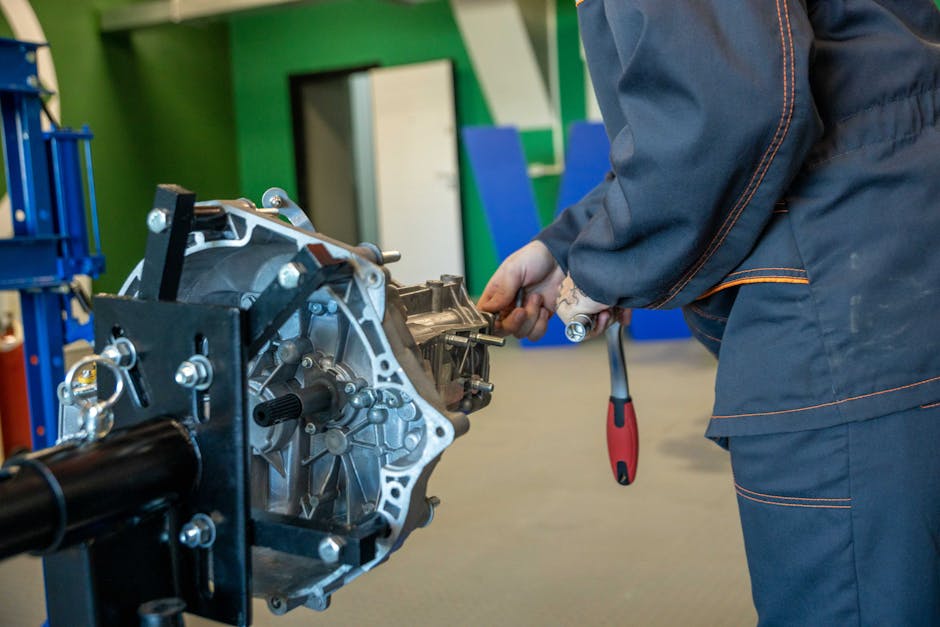
If internal parts are worn, a rebuild or replacement might be necessary. A rebuild involves taking the transmission apart, replacing worn components, and reassembling it. A replacement means installing a new or remanufactured unit. Both are more involved and take longer than a fluid change, but they're the right move if the damage is inside.
Electrical issues might just need a sensor or solenoid replacement, which is faster and cheaper than internal work. That's why getting the right diagnosis matters so much. You can't know the best path forward until you know what's actually broken.
Preventing Transmission Slipping in the Future
Regular transmission fluid checks and changes are your best defense. Follow your car's maintenance schedule for transmission service. Some cars need the fluid changed every 30,000 to 60,000 miles, while others go longer. Check your owner's manual to be sure.
Use the correct type of transmission fluid for your vehicle. Using the wrong fluid can cause slipping, overheating, and internal damage. If you're not sure what type your car needs, a technician can tell you.
Avoid towing heavy loads if your transmission isn't designed for it. Extra weight and strain accelerate wear. Similarly, don't ignore small signs of trouble. That slight hesitation or odd shifting feeling is your car asking for help before the problem becomes critical.
When you need a transmission check or service, Morgatech Auto Repair serves Beltsville, College Park, Laurel, Greenbelt, and the rest of Prince George's County. Stop by in Beltsville, call to schedule an appointment, or visit during business hours Monday through Friday, 9 am to 6 pm.
People Also Ask About Transmission Slipping
How long can you drive with a slipping transmission?
It depends on how bad the slipping is, but the answer is always "not very long." A mild slip might persist for weeks or months, but the problem will get worse with every mile. Severe slipping can cause complete failure within days or even hours of driving. The longer you wait, the more internal damage happens, so get it diagnosed and fixed as soon as you notice symptoms.
Can low transmission fluid cause slipping?
Yes, absolutely. Low fluid is one of the most common causes of transmission slipping. Transmission fluid does three critical jobs: it creates pressure to shift gears, lubricates internal parts, and cools the system. Without enough fluid, your transmission can't build pressure, gears slip, and the whole system overheats. Check your fluid level first if you notice slipping.
What does transmission slipping feel like?
It feels like your engine is working harder than your car is moving. You press the gas, the RPM gauge climbs, but your speed doesn't keep up. You might feel a delay before the car accelerates, a lag when shifting gears, or a shuddering sensation during acceleration. Some people describe it as the car "searching" for the right gear or feeling sluggish and unresponsive.
Is transmission slipping covered under warranty?
That depends on your car's warranty and what caused the slipping. Factory warranties sometimes cover transmission defects but rarely cover wear and tear or lack of maintenance. Most repairs at Morgatech Auto Repair are backed by a 24-month / 24,000-mile TechNet nationwide warranty, so ask about coverage when you bring your car in for a diagnosis.