

Transmission fluid leaks are one of those things that sounds scarier than it is once you understand what's actually happening. The short answer: transmission fluid leaks come from worn seals and gaskets, damaged cooler lines, loose fittings, or problems with your transmission pan. The fluid can escape from any weak point in your transmission system over time.
Even a small leak matters. Your transmission needs the right fluid level to shift smoothly, keep temperatures in check, and protect all those moving parts inside. When fluid starts escaping, it's your car's way of telling you something needs attention. Let's break down where these leaks actually come from and why you should take them seriously.
Where Transmission Fluid Leaks Start
Transmission fluid doesn't just disappear. It leaks out somewhere specific, and understanding the common sources helps you know what to expect when you take your car in for diagnosis.
Related: Why Is My Car AC Blowing Warm Air? Common Causes & Fixes
Related: Car Pulling to One Side: Causes & How to Fix It
Worn Seals and Gaskets
This is the most common culprit. Your transmission has seals and gaskets that keep fluid contained. Over time, heat, pressure, and normal wear break them down. Once they start to fail, fluid slowly seeps out. The older your car gets, the more likely these seals are to give up the ghost.
Transmission Pan Gasket Issues
The transmission pan sits at the bottom of your transmission and holds fluid. The gasket between the pan and the transmission body keeps everything sealed. If this gasket gets damaged or starts to fail, you'll see fluid pooling under your car. Sometimes the pan itself gets dinged or dented (think speed bumps or road debris), which can also let fluid escape.
Transmission Cooler Lines
Your transmission has lines that run fluid to a cooler, keeping temperatures down. These lines are made of rubber or metal and can crack, corrode, or burst. Rubber lines get brittle over time. Metal lines can rust through or get pinched. Either way, you're losing fluid.
Fittings and Connection Points
Everywhere a line connects to something, there's a fitting. These can loosen, corrode, or wear out. A loose fitting might drip steadily. A corroded one might eventually fail completely. It's one of those small-but-important spots people forget about.
Transmission Input and Output Seals
Where the transmission connects to the engine and the driveshaft, there are seals. These take a lot of stress and can fail from age or contaminated fluid. When they go, you'll see leaks in those areas.
What Actually Causes These Parts to Fail
Knowing where leaks come from is half the battle. Understanding why they happen in the first place helps you see why a quick fix beats ignoring the problem.
Normal Wear and Tear
Your transmission is a heat-generating machine. Every shift, every stop, every climb up a hill puts stress on seals and gaskets. They gradually harden, crack, and lose their grip. There's no avoiding this forever, but regular transmission fluid checks catch problems early.
Extended High-Speed Driving
Long highway trips or consistent hard driving stress your transmission and heat it up. This extra heat can speed up seal and gasket breakdown. If you're someone who regularly drives at high speeds or tows, your transmission seals might wear faster than someone with a gentler commute.
Fluid Neglect or Poor Maintenance
Dirty or old transmission fluid loses its ability to protect seals. It becomes thicker, loses lubrication power, and can actually damage the very seals meant to contain it. If you're overdue for a transmission fluid check or change, that's a direct path to leak problems.
Accidents or Impact Damage
A hard hit to the transmission pan, a collision, or striking something on the road can bend the pan, crack a line, or loosen a fitting. Even minor impacts can cause leaks that show up days or weeks later.
Corrosion and Age
If your car lives in a salty climate or sits unused for long periods, metal parts can rust. Metal cooler lines especially are vulnerable. Rubber hoses and seals simply get older and more brittle regardless of where you live.
Why You Can't Ignore Even Small Leaks
A few drops here and there might not seem like a big deal, but transmission leaks get worse, not better. Left unchecked, a slow leak can become a serious one within weeks or months.
Without enough fluid, your transmission can't shift properly. The gears don't engage smoothly. Your car might hesitate, jerk, or slip out of gear. As the fluid level drops further, you risk overheating the transmission. Internal parts wear faster without proper lubrication. In extreme cases, you might need to refill transmission fluid every other day just to keep driving, and that's a sign you're one breakdown away from an expensive repair.
The smart move is to get a leak diagnosed early. A technician can pinpoint the exact source and recommend a permanent fix, whether that's replacing a seal, resealing the pan, or fixing a cooler line. Small repairs caught early cost far less than waiting for the transmission to fail completely.
Getting Your Transmission Leak Fixed
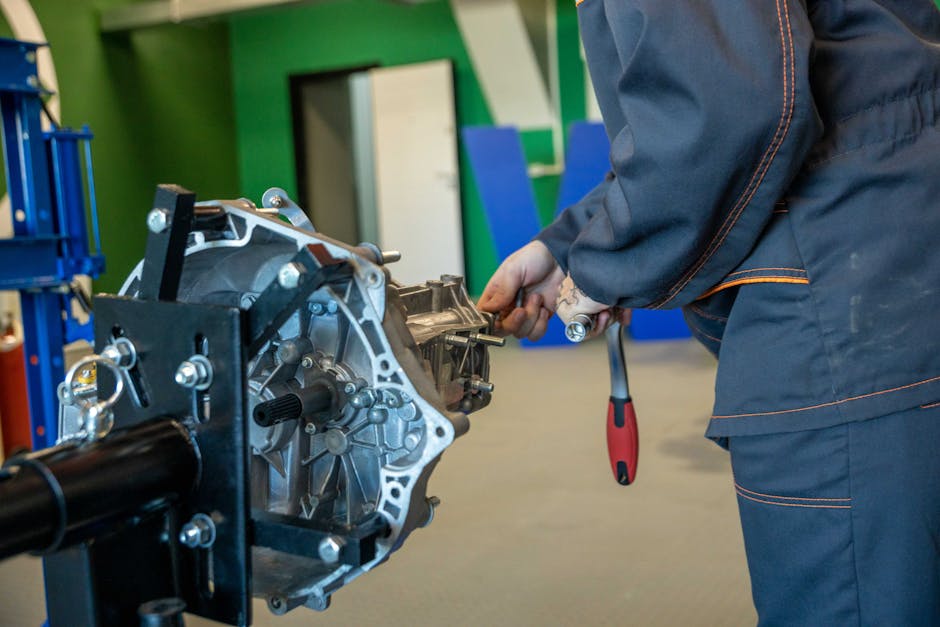
Once you spot a leak, the first step is a proper diagnosis. You need to know whether it's transmission fluid, engine oil, coolant, or something else. Red fluid under your car is usually transmission fluid. Dark red or brown could also be old transmission fluid.
A technician will inspect the transmission pan, seals, lines, and fittings to find the source. Some leaks are simple fixes, like tightening a fitting or replacing a pan gasket. Others might require seal replacement, which is more involved but still a standard repair. In rare cases, a cooler line needs replacing.
The good news: seal and gasket replacement is a common job that most repair shops handle regularly. Most repairs come with a solid warranty. Morgatech Auto Repair backs most transmission work with a 24-month / 24,000-mile nationwide warranty, so you're covered if something goes wrong after the repair.
If you're in Beltsville, College Park, Laurel, Greenbelt, or anywhere in Prince George's County and you've spotted a transmission fluid leak, don't wait. The longer fluid escapes, the higher the risk of real damage. Call or schedule a visit at Morgatech Auto Repair and get it diagnosed before the problem grows.
How to Spot a Transmission Leak Early
Catching a leak early means catching it when it's small and cheap to fix. Here's what to watch for.
- Red fluid under your car - The most obvious sign. Check your driveway or parking spot after your car sits overnight.
- Transmission fluid on your dipstick or low fluid level - If the level drops between checks, something is leaking.
- Slight burning smell - Leaking fluid hitting hot engine or exhaust parts can produce this smell.
- Hesitation or soft shifts - Low fluid can cause rough or delayed gear changes.
- Warm transmission fluid smell - Hotter and sharper than engine oil.
Don't confuse transmission fluid with other leaks. Engine oil is darker (brown to black) and thicker. Coolant is bright green, orange, or pink. Transmission fluid is bright red (or darker red if older) and has a distinct smell.
Next Steps: What Happens During Repair
When you bring your car in to get a transmission leak checked out, the technician will walk you through what they find and what the fix costs before starting any work. No surprises.
The repair depends on the source. A pan gasket replacement is straightforward. Seal replacement might take a few hours. Cooler line replacement depends on whether you have rubber or metal lines and how accessible they are. The good news is that most of these jobs are routine for shops that handle transmissions regularly.
After the repair, your transmission should shift smoothly again and the leak should stop completely. The fluid level should stay constant. If it doesn't, bring it back because something wasn't addressed correctly.
Can You Ignore a Transmission Leak?
No. Ignoring it is one of the most expensive mistakes you can make. A cheap repair today becomes a transmission replacement tomorrow. Transmission rebuilds and replacements can run thousands of dollars. A seal or gasket replacement is a fraction of that cost.
How Long Can You Drive With a Transmission Leak?
That depends on how fast you're losing fluid. A slow leak might let you drive for weeks if you keep topping it off. A heavy leak could leave you stranded within days. The question isn't "how long can I drive," it's "how long can my transmission last without the proper fluid level." The answer is not very long. Don't test it.
Can You Seal a Transmission Leak Yourself?
Transmission work is not a DIY job. You need proper diagnosis to know where the leak is coming from. You need the right tools, the right fluid, and the right procedure to fix it correctly. Guessing and band-aid solutions will make things worse. Leave this one to a professional.
What's the Difference Between a Transmission Leak and Condensation?
Condensation is usually clear or light colored and appears in small amounts on cold mornings. It evaporates quickly. A transmission leak is red fluid that pools or drips steadily, even on warm days. If you're seeing actual puddles or consistent dripping, it's a leak, not condensation. Get it checked out.