

The short answer: most brake pads need replacement somewhere between 25,000 and 65,000 miles, or every 2 to 5 years. But the real answer depends on how you drive, where you drive, and what your vehicle's manufacturer recommends.
Brake pad wear isn't one-size-fits-all. A delivery driver in stop-and-go traffic burns through pads faster than someone cruising the highway. A driver in the mountains burns through them differently than someone on flat roads. So while those mileage and year ranges give you a ballpark, your actual replacement schedule is personal to your driving style.
Let's break down what you need to know to keep your brakes in good shape and avoid that grinding, squealing feeling that tells you things have gone too far.
What Determines How Fast Your Brake Pads Wear
Your brake pads wear at different rates depending on several factors. Understanding these helps you know when to expect a replacement.
Driving in the city versus the highway
Urban driving is hard on brake pads. You're stopping at lights, slowing down for pedestrians, navigating traffic. That constant on-and-off friction wears pads down faster. Expect to replace them every 30,000 to 35,000 miles if you're mostly in town.
Highway driving is gentler on your brakes because you're cruising and making fewer, gentler stops. You might get 50,000 to 65,000 miles out of a set in this scenario.
Your braking style
Aggressive braking accelerates wear. If you're the type to slam on the brakes or ride the pedal, your pads will thin out sooner. Smoother, more gradual braking extends their life.
Your vehicle's weight and engine power
Heavier vehicles put more demand on the brake system, so pads wear faster. Same with high-performance vehicles that brake harder.
Towing and mountainous terrain
If you tow a trailer or drive in hilly or mountainous areas where you're braking constantly to control speed downhill, your pads will wear quicker than normal.
Check your owner's manual
Your vehicle's manufacturer has specific recommendations based on your make and model. That's your best starting point.
When to Have Your Brake Pads Inspected
Don't wait until you hear grinding or feel mushy brakes to get them checked. Regular inspection catches wear before it becomes a safety issue.
Plan to have your brakes inspected every 10,000 miles or at least once a year. This is often done during routine maintenance visits for oil changes or fluid checks.
During an inspection, a technician measures pad thickness and looks at rotor condition. Pads typically need replacement when they wear down to about 0.1 inch thick. At that point, you're close to metal-on-metal contact, which damages your rotors and makes braking less effective.
If you notice any of these signs, get your brakes inspected right away:
- Squealing or squeaking when you brake
- A grinding sound, which means metal is already touching metal
- The brake warning light on your dashboard
- Your brake pedal feels soft or spongy
- Your car pulls to one side when braking
- Brake pedal goes almost to the floor before catching
These are all red flags that your brakes need attention now, not in a few weeks.
Brake Pads Versus Brake Rotors: Know the Difference
Pads and rotors are different parts of your brake system, and they wear at different rates.
Brake pads are the friction material that grabs the rotor when you push the pedal. They're replaceable and expected to wear out.
Brake rotors are the discs that the pads squeeze against. They last longer than pads, typically 30,000 to 70,000 miles depending on your driving. When pads wear too thin, they can damage the rotors, forcing you to replace both at the same time. That's why catching worn pads early saves you money.
Your brake fluid is another part of the system. It needs to be checked during routine maintenance and changed if it gets dirty or absorbs moisture.
What to Expect When You Replace Brake Pads
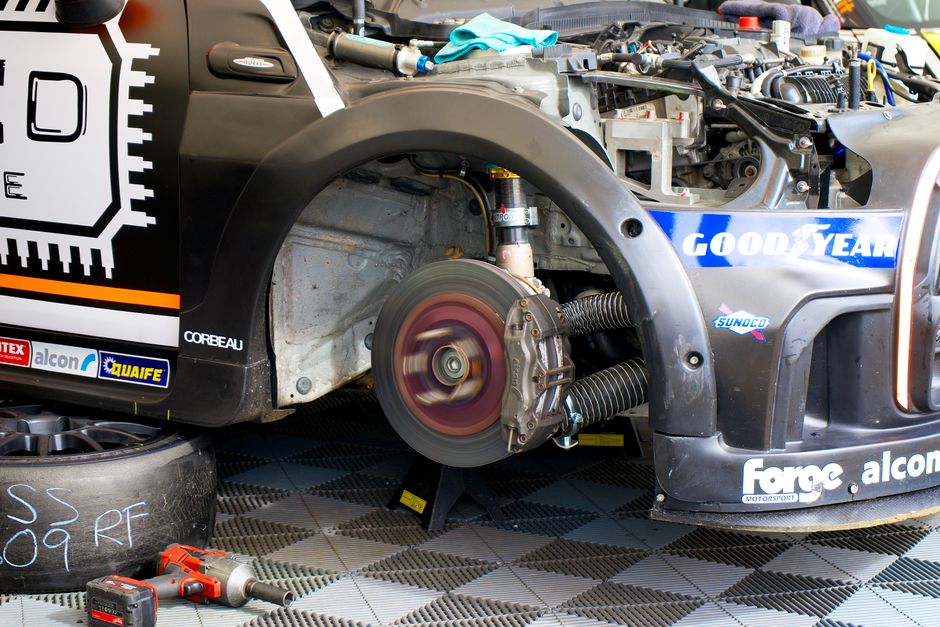
Brake pad replacement is one of the most common maintenance jobs. When your pads are worn, a technician will remove the wheels, inspect the whole brake system, replace the pads, and test your brakes to make sure everything feels right.
If rotors are damaged or worn, they may need resurfacing or replacement at the same time. This is why having your brakes inspected regularly matters—catching it early prevents cascading damage.
If you're noticing brake noise or want a professional to check your brake system, Morgatech Auto Repair in Beltsville can do a full brake inspection and explain exactly what you need and what it will cost before any work starts. They serve Beltsville, College Park, Laurel, Greenbelt, and throughout Prince George's County.
Make Brake Maintenance Part of Your Routine
Thinking about brake pad replacement as routine maintenance, like an oil change, keeps you ahead of problems. Budget for it as a regular expense every few years, not an emergency that sneaks up on you.
A simple habit: every time your car gets an oil change or other routine service, ask for a brake inspection. This takes minutes and gives you peace of mind.
If your brake warning light comes on, or you hear squealing or grinding, don't ignore it. The longer you wait, the more damage happens to your rotors and brake lines.
When you're ready to have your brakes checked or replaced, Morgatech Auto Repair is here Monday through Friday, 9 am to 6 pm. They'll inspect your brakes, show you what they find, and quote the job before they start work. Most brake repairs are backed by a 24-month / 24,000-mile TechNet nationwide warranty.
People Also Ask
How do I know if my brake pads are worn out?
Listen and feel. Squealing or grinding sounds mean pads are thin. If your brake pedal feels soft, spongy, or goes nearly to the floor before catching, that's another sign. The most reliable way is to have a technician inspect them and measure thickness. Don't guess on brakes.
Can I replace just the front brake pads?
It depends. Sometimes only front or only rear pads wear first, and you can replace just those. Other times, replacing one set makes sense. A technician inspecting your brakes will tell you which wheels need new pads and which are still good.
Do all brake pads last the same amount of time?
No. Different vehicles, driving habits, and even brake pad materials affect lifespan. A sedan driven carefully on the highway lasts longer between replacements than a truck driven in the city with aggressive braking. That's why mileage and time ranges are wide.
What's the warranty on new brake pads?
Most brake pad replacements come with a warranty covering the parts and workmanship. The exact terms depend on where you have the work done. At Morgatech Auto Repair, most repairs are backed by a 24-month / 24,000-mile TechNet nationwide warranty, terms apply.