

If you're driving an older car, you've probably wondered whether the old "change your oil every 3,000 miles" rule still applies. The short answer: it depends on your specific vehicle, but most older cars need an oil change every 5,000 to 7,500 miles, or every 3 months, whichever comes first.
Oil change intervals for older cars are different from what newer models require. Your engine's age, the type of oil you use, and how you drive all play a role in how often you should get that oil changed. Let's break it down so you know exactly what your car needs.
Why Older Cars Need Different Oil Change Intervals
Older engines run hotter than modern ones. Back then, engineers didn't have the cooling technology and oil formulations we have today. That heat breaks down conventional oil faster, which means the protective film around your engine's moving parts gets thinner sooner.
When oil degrades, it can't protect your engine from friction and wear. Particles build up. Metal-on-metal contact increases. Before you know it, you're looking at expensive engine damage that could've been prevented with a simple oil change.
That's why Morgatech Auto Repair recommends sticking to the conservative side when it comes to older vehicles.
Related: Steering Repair College Park: What You Need to Know
Oil Change Intervals Based on Your Car's Age and Oil Type
The type of oil you use makes a huge difference in how long you can go between changes.
Conventional Oil (Most Older Cars)
If your older car runs on conventional oil, plan on changing it every 5,000 to 7,500 miles. Some vehicles from the 1990s and early 2000s might have a 3,000-mile recommendation in the owner's manual, especially if they're high-mileage engines.
Conventional oil is cheaper upfront but breaks down faster. You're paying less per change but doing it more often. That's usually the trade-off drivers accept with older vehicles.
Full Synthetic or Synthetic Blend
If someone has upgraded your older car to synthetic oil, you might stretch intervals to 7,500 or even 10,000 miles. Synthetic oil lasts longer because it's engineered to handle heat and oxidation better than conventional oil.
That said, check your owner's manual first. Older engines sometimes weren't designed to run on full synthetic, and using the wrong oil can cause seal leaks or other problems. When in doubt, ask your mechanic what your car can handle safely.
The Time Rule: Don't Forget the 3-Month Clock
Here's something a lot of people skip: oil change intervals include both mileage and time. You need to change your oil based on whichever limit you hit first.
If you drive your older car only 2,000 miles in a month, don't wait to hit 5,000 miles. If it's been three months since your last oil change, go ahead and schedule a new one. Oil sitting in your engine breaks down over time, even if the car isn't running.
This matters even more if you make short trips or drive mostly around town. Stop-and-go driving doesn't let the engine heat up fully, which means water and fuel can accumulate in the oil. Changing it regularly keeps moisture out and keeps your engine happy.
How to Find Your Specific Car's Recommendation
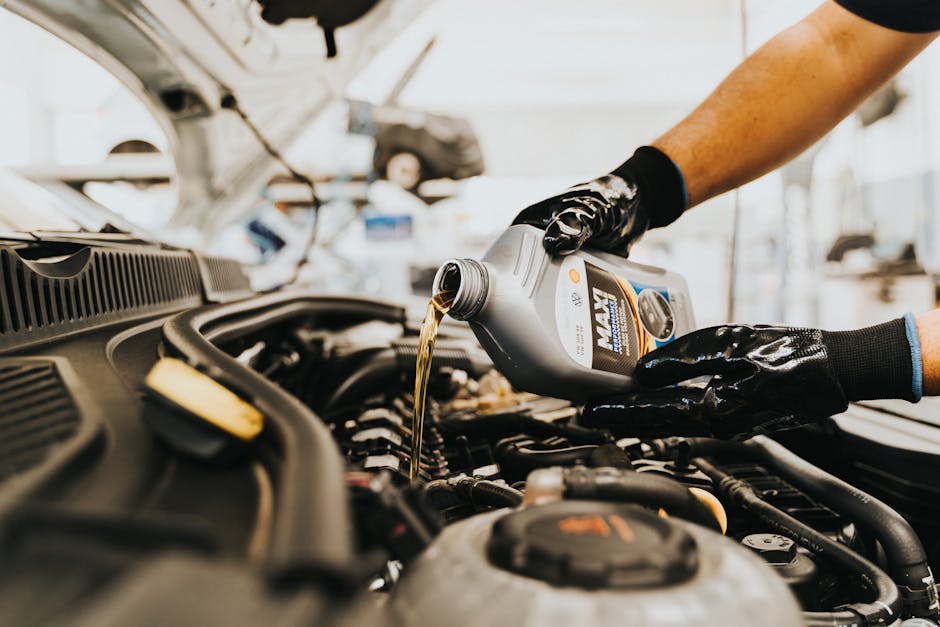
The best source for oil change intervals is your vehicle's owner's manual. It tells you exactly what the manufacturer had in mind when they built your car.
Check the section on maintenance or fluids. You'll see a recommendation like "every 5,000 miles or 6 months, whichever comes first." Some manuals even suggest different intervals based on how you drive (normal vs. severe driving conditions).
If you don't have the manual, you can usually find a PDF version online by searching your car's year, make, and model number. Or, bring your car to Morgatech Auto Repair, and our technicians can look it up and tell you the exact interval your engine needs.
Signs Your Oil Needs Changing Before the Next Scheduled Interval
Sometimes you shouldn't wait for the 5,000-mile mark. Watch for these warning signs:
- Dark, dirty oil on the dipstick (fresh oil is light brown or amber)
- An oil change warning light on your dashboard
- Unusual engine noise or knocking sounds
- A burning smell coming from under the hood
- Thick, sludgy oil that doesn't flow smoothly
Any of these mean it's time to drop in and get fresh oil. Ignoring them risks engine damage, and that's not a gamble worth taking with an older vehicle that's already working harder to run.
What Happens if You Skip Oil Changes
Skipping oil changes is one of the fastest ways to ruin an older engine. Here's what happens inside:
Old oil loses its ability to protect metal surfaces. Friction heats up. Particles don't get filtered out. The engine runs hotter. Over time, the metal parts in your engine wear down, and eventually, something breaks.
You might see blue smoke from the exhaust, hear grinding noises, or feel the engine running rough. By then, the damage is done, and a full oil change won't fix it. You're looking at engine repair or replacement, which costs thousands of dollars.
A $30-50 oil change every few months beats a $5,000-10,000 engine overhaul. It's really that simple.
Making Oil Changes Part of Your Routine

Set a phone reminder for your oil change due date. Write it down in your calendar. Keep a log in your glove box of when you had the work done and how many miles were on the odometer.
Tracking your oil changes helps you spot patterns too. If you notice the oil is getting dirtier faster than usual, or if you're burning through oil between changes, that's a sign something else might be going on with the engine. A mechanic can diagnose it before it becomes a big problem.
When you're ready to schedule your next oil change and want to make sure your older car is running in top shape, Morgatech Auto Repair can help. We handle oil changes, fluid checks, and multi-point inspections to catch any issues early. Give us a call or stop by our shop in Beltsville, Maryland, and we'll take care of your vehicle the way a family-run shop should.
Related: Suspension Repair in Beltsville Maryland: What You Need to Know
Common Questions About Oil Changes for Older Cars
Can I go longer between oil changes if I drive less?
Not really. Even if you drive fewer miles, time still matters. Oil degrades sitting in your engine, so stick to the time interval (usually 3 months) even if you haven't hit the mileage limit. Whichever comes first wins.
Is it okay to switch from conventional to synthetic oil in an older car?
Sometimes, but not always. Synthetic oil can cause leaks in older engines that were designed for conventional oil. Always check your owner's manual first or talk to a mechanic before making the switch. If your car was built before 2000, conventional oil is usually your safest bet.
What if my owner's manual says 10,000 miles between changes?
Newer manuals sometimes recommend longer intervals because modern oils are better and engines run cooler. If your older car's manual says 10,000 miles, you can follow that. But if it's a high-mileage engine or you drive in stop-and-go traffic, every 5,000 to 7,500 miles is smarter for peace of mind.