
You hit a pothole and felt that sickening jolt. Now you're wondering if your car is okay. Here's what you need to know about pothole damage to your car and what to do next.
Most of the time, hitting a pothole doesn't cause any damage at all. Your car's suspension is designed to absorb impacts like that. But when the hit is hard enough, it can damage your tires, wheels, suspension, or steering components. The key is knowing what to look for and acting quickly if something is wrong.
Immediate Steps After Hitting a Pothole
First, pull over to a safe spot if you can. Take a deep breath. You're already doing the right thing by checking on your car.
Related: Check Engine Light Flashing: What It Means & What to Do
Before you drive anywhere, get out and do a quick visual inspection. Look at all four tires and wheels on the side that hit the pothole (and ideally all sides). Are there any obvious cuts, bulges, or chunks missing from the tire? Can you see dents or cracks in the wheel itself? Any of these signs mean you need repairs right away.
Next, get back in and test your steering. Drive slowly in a safe area like a parking lot. Does the wheel pull to one side? Does the steering feel loose or unresponsive? Does the car bounce more than usual? If any of these feel off, that's a red flag for suspension or alignment damage.
If everything seems fine during this quick check, you're probably in the clear. But don't skip the next step.
What to Look for in the Days After Impact
Pothole damage sometimes shows up a day or two later, not right away. Your car might have taken damage that isn't obvious at first glance.
Monitor your car over the next few days for:
- Uneven tire wear or bulges in the sidewall
- Steering that pulls left or right
- A bouncy or unstable ride
- Vibration in the steering wheel or pedals
- Clunking or creaking noises from under the car
- Low tire pressure warning lights
Any of these symptoms mean something got bent or damaged in the impact. Don't ignore them, even if the car still seems to drive okay. Small damage gets worse the more you drive on it.
Common Types of Pothole Damage
Tires are the most common casualty of a pothole. The impact can create a flat, a puncture, a sidewall bulge, or internal cord damage that shows up as uneven wear later. Sometimes a tire looks fine but is actually compromised, which is why a professional inspection matters.
Wheels often bend or crack from the same impact. A bent wheel throws off your alignment and can cause that steering-pull feeling. A cracked wheel is a safety hazard and needs to be replaced.
Your suspension system takes the real shock from potholes. Struts, shocks, springs, and control arms can all be damaged. Suspension damage usually shows up as a bouncier ride, more body roll when turning, or clunking sounds. It's also the damage that gets worse fastest if you don't fix it.
Steering components like tie rods and ball joints can be bent or damaged too. This causes that loose steering wheel feeling or a pulling to one side that gets worse over time.
When to Get Professional Help
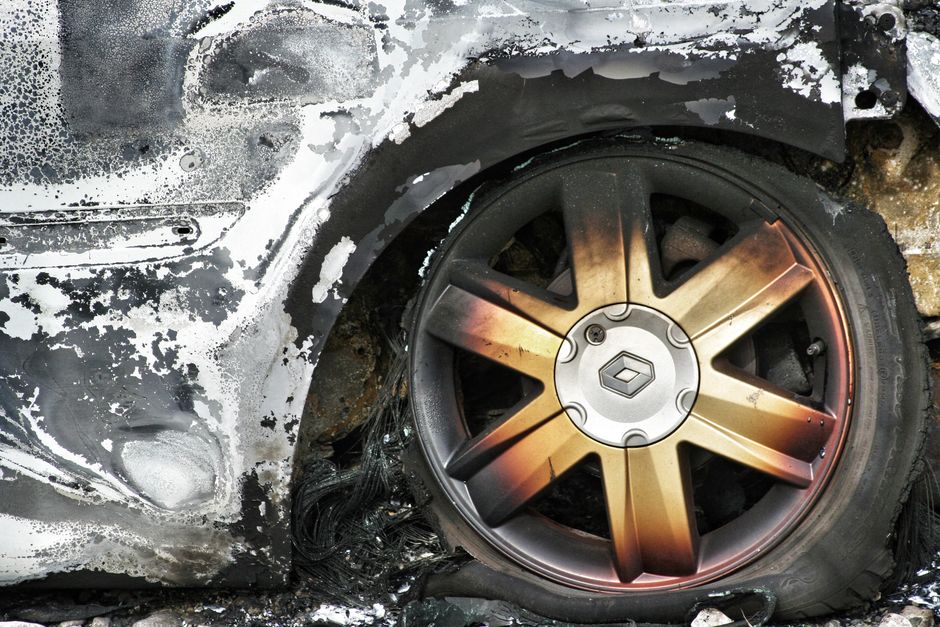
If you saw any visible damage during your first inspection, or if your car exhibits any of the symptoms listed above, get it checked out. Don't wait and hope it goes away.
A qualified technician can do a full inspection, check your wheel alignment, test your suspension, and spot damage you might not see yourself. They can also tell you exactly what needs to be repaired and what the cost will be upfront, so there are no surprises.
If you're in the Beltsville or Prince George's County area, Morgatech Auto Repair can inspect your car after a pothole hit. Our technicians will explain what they find and what repairs are needed before any work starts. We handle suspension repairs, steering work, wheel alignment, and tire assessment. Most repairs are backed by a 24-month / 24,000-mile warranty, so you can have confidence in the fix.
How to Avoid Pothole Damage in the Future
The best pothole damage is the damage that never happens. Here are practical ways to reduce your risk:
- Slow down when you see a pothole ahead. Speed increases the impact force.
- Grip the steering wheel firmly when approaching one. This helps you stay in control.
- Drive through a pothole rather than swerving around it. Swerving can cause you to lose control or hit something worse.
- Maintain proper tire pressure. Under-inflated tires are more vulnerable to damage.
- Keep your suspension healthy. Regular maintenance makes your car more resilient to impacts.
None of these tips guarantees you'll never hit a pothole or avoid damage. Sometimes you just can't see one coming, or it's unavoidable. But these steps lower the odds.
Why a Full Inspection Matters
Even if your car feels fine after hitting a pothole, internal damage might exist. A tire could have cord damage that takes weeks to show as uneven wear or a blowout. A suspension component could be slightly bent, affecting how the car handles but not obviously.
This is why getting a professional inspection is smart. A technician can spot damage that you'll only notice later when it's become a bigger, costlier problem. Plus, if the pothole was caused by poor road maintenance, documentation of the damage might help if you decide to file a claim.
When you're ready to have your car checked, call Morgatech Auto Repair or schedule a visit. We're open Monday to Friday, 9 am to 6 pm, and we're located in Beltsville. Our certified technicians will give you a clear picture of what happened to your car and what needs to happen next.
Frequently Asked Questions

Can a pothole damage your car even if it doesn't feel like it?
Yes, absolutely. Damage like internal tire cord damage or a slightly bent suspension component might not feel like much at first, but they get worse the more you drive. That's why a professional inspection after a significant pothole hit is a good idea, even if your car seems okay.
Is it safe to drive on a tire that hit a pothole?
If you see visible damage like a bulge, cut, or puncture, no. Stop driving and get it repaired or replaced. If the tire looks fine but you're unsure, drive slowly to a repair shop for an inspection. A tire that looks okay might still have internal damage.
What's the difference between a bent wheel and wheel damage?
A bent wheel has warped but is still usable in some cases. A damaged wheel has cracks or breaks in the structure and is a safety hazard that needs replacement. Either way, you'll feel vibration or pulling in your steering.
How do I know if my suspension was damaged by a pothole?
Common signs include a bouncier ride, more body roll when turning, clunking or creaking sounds from under the car, or a steering wheel that feels loose. If you notice any of these, get your suspension inspected by a professional.